

What are you looking for?
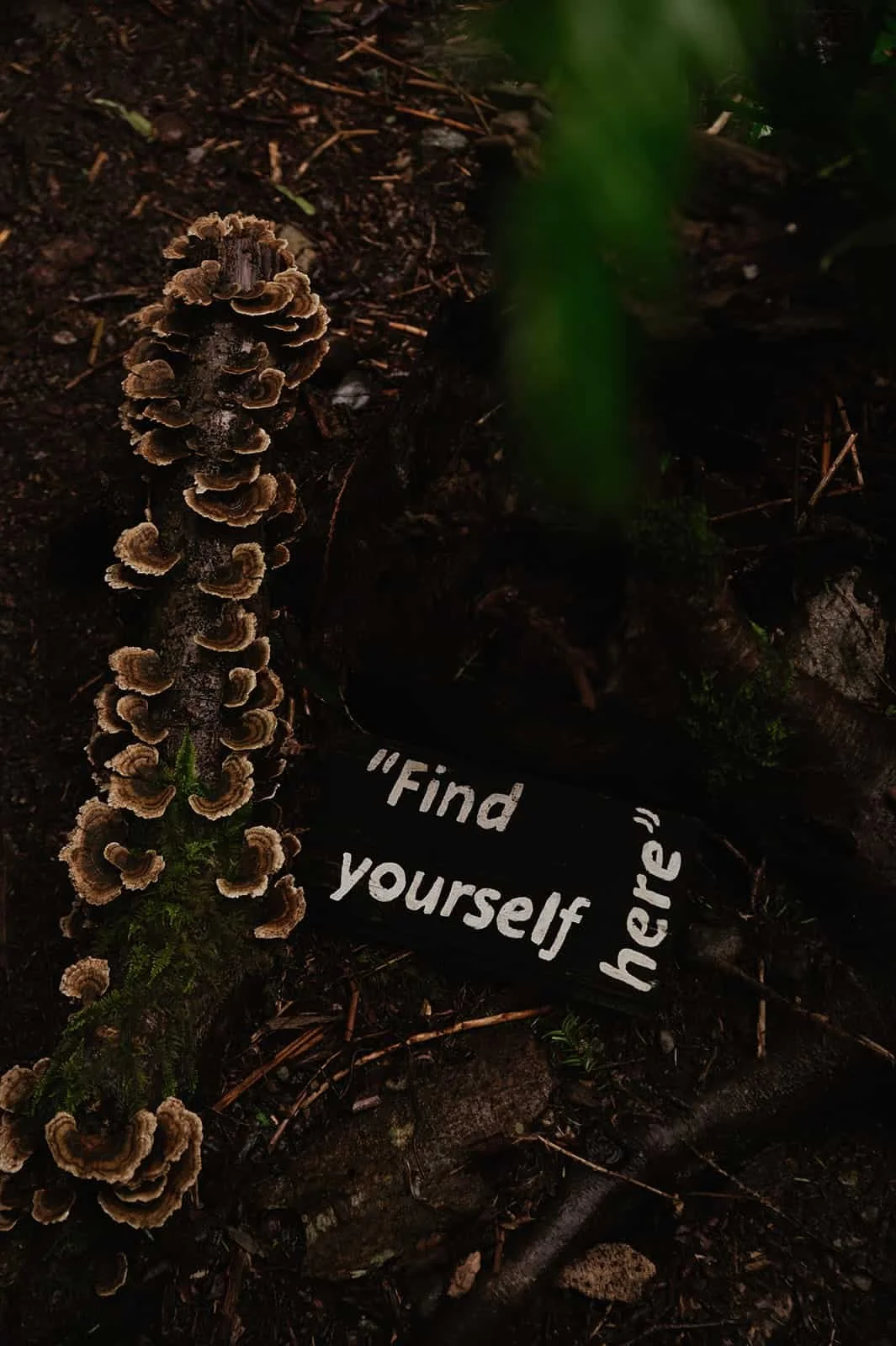
Read below to learn more about Turkey Tail mushroom, including:
Turkey tail mushroom benefits
Turkey tail mushroom identification and look alikes
Turkey tail mushroom benefits for skin
Where to buy Turkey tail mushroom
Turkey tail’s spiritual significance
Nectar’s own adaptogenic chai recipe with Turkey tail mushroom

Douglas Fir essential oil carries a fresh, invigorating aroma that evokes the crisp scent of a forest after rainfall. This uplifting fragrance is dominated by terpenes like α-pinene, β-pinene, and limonene, which give it a sharp, pine-like quality that is both grounding and energizing. The combination of these terpenes lends Douglas Fir oil its signature clean, woody scent, which can also have subtle hints of citrus, resinous-meets-green-apple sweetness.
The therapeutic qualities of Douglas Fir oil are deeply connected to its molecular structure. α-pinene, known for its anti-inflammatory and respiratory benefits, supports clear breathing and mental clarity. β-pinene is celebrated for its ability to promote relaxation while providing an aromatic bridge to feelings of openness and peace. Limonene, found in the oil, offers a bright, citrus-like note that uplifts the spirit and helps combat stress and anxiety, making it particularly beneficial for emotional balance and mood enhancement.
Ferns are part of a group of plants known as Pteridophytes, which include over 10,000 species. Unlike flowering plants, ferns reproduce through spores and do not produce seeds or flowers. These ancient plants played a significant role in shaping our planet’s ecosystems, and according to the Australian National University, some modern-day coal deposits are believed to be remnants of ancient fern forests.
The fern’s resilience lies in their adaptability. Species like the Bracken Fern and the Staghorn Fern can survive in harsh conditions, including poor soil and limited sunlight, making them a symbol of endurance and perseverance.
Libra is a cardinal air sign. Its instinct is to initiate through relationship, weighing one perspective against another until something resolves into balance or other form of resolution. It's the sign most associated with analysis, though the analysis is rarely detached, it's usually in service of a relationship or a decision that involves someone else.
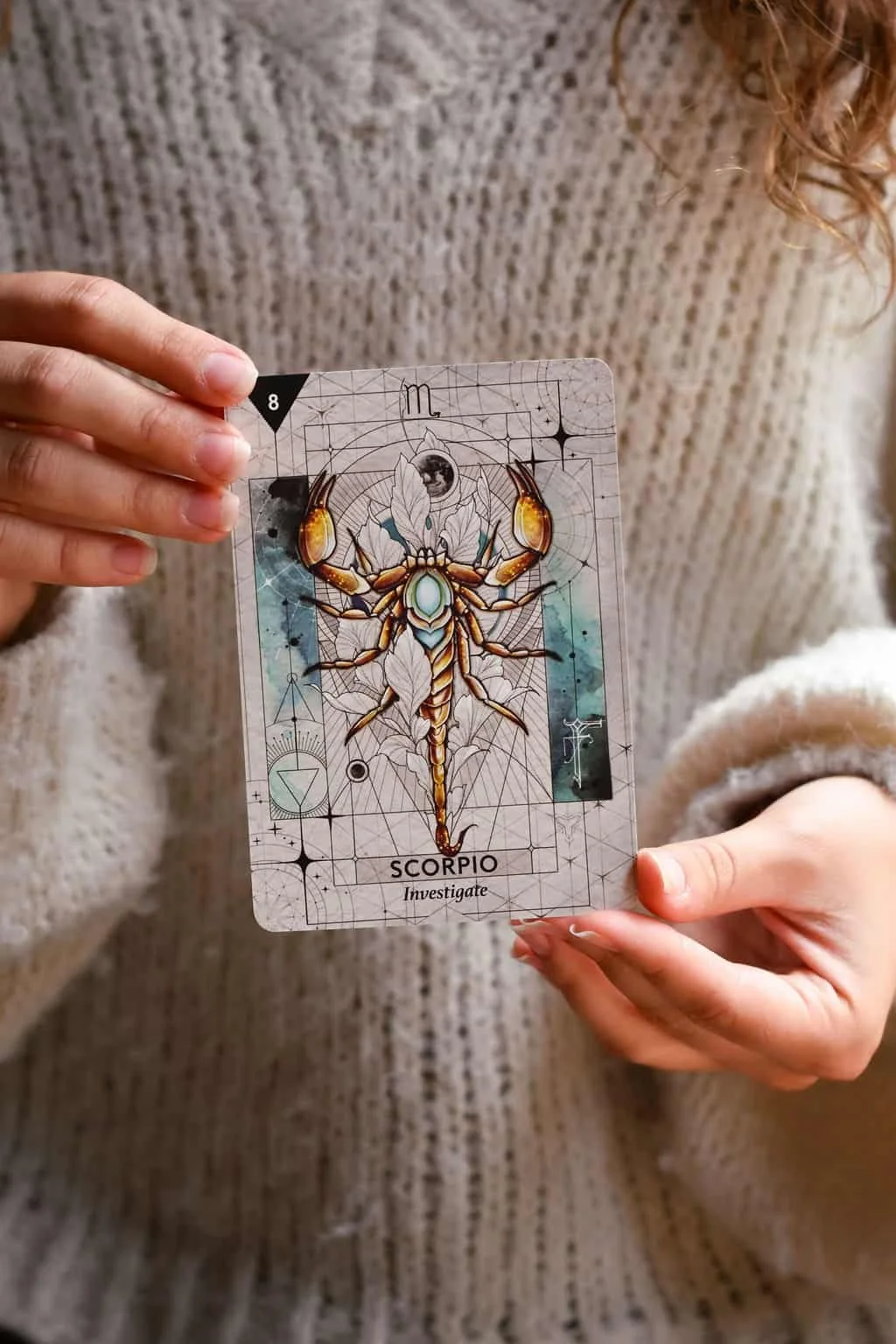
Scorpio is a fixed water sign, and the fixed quality is how it contrast with other water signs, such as Cancer's water. Scorpio's water channels and embodies. This likely is the reason why folks with strong Scorpio placements often are seen as ‘intense’, because a fixed water sign often absorbs what other people haven't fully metabolized themselves. Often, water signs holds things in the hips. We’ve included effective hip openers for this reason.

This limb has become equated to ‘the yoga practice’ in the modern western world, yet it is only one of many other limbs that make up the true yoga practice. In the yogic view, the body is a temple of spirit, the overall and complete care of which, is an important stage of our spiritual growth.
Through the practice of physical postures we develop the habit of discipline and the ability to concentrate, both of which are necessary for cultivating healthy routines in life.
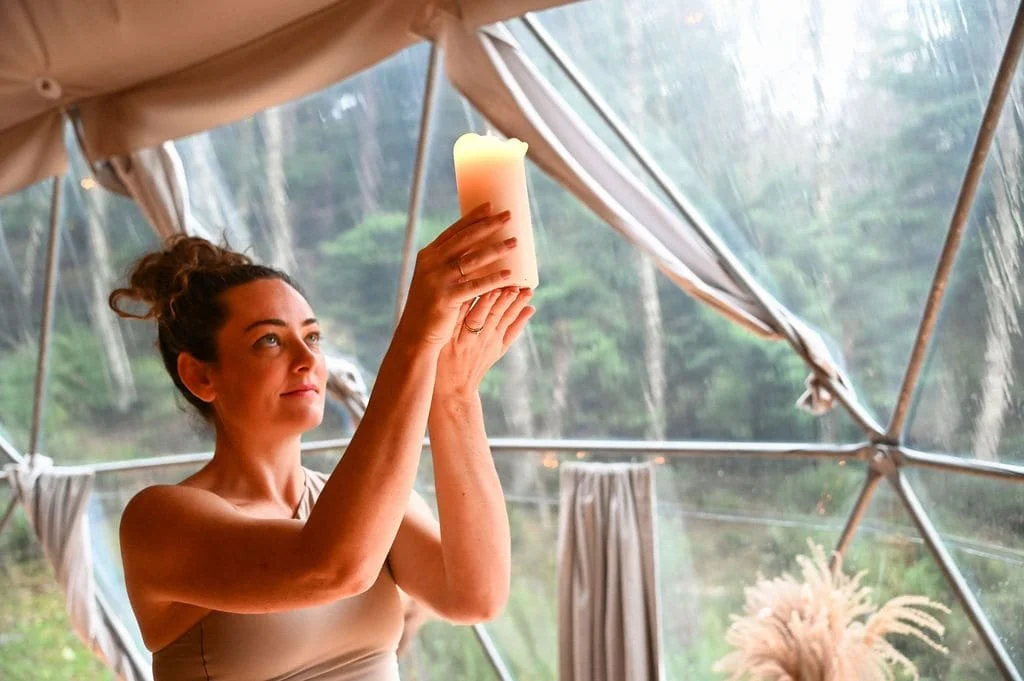
The fall equinox falls on September 22 in the Northern Hemisphere this year, when day and night reach equal length. Where the spring equinox carries the quality of emergence, the fall equinox carries the tone of return. The word equinox comes from the Latin aequus nox, equal night.
For a few days on either side of September 22, the scales are evenly distributed. It comes as no surprise that this day also marks the sun's entry into Libra, the sign of the scales, whose symbol is the only inanimate object in the zodiac. Libra presents us with questions relating to balance, such as what is in balance? What feels asymmetrical? What is within your power to shift?

As we surrender ourselves to the observance of Santosha, we discover that contentment is not a destination to be reached, much like how Saucha is also not an arrival point, but a way of being—a way of embracing the fullness of life with hearts wide open. This practice may not make us immune to undesirable situations in our lives, but it can sweeten our perspectives, inner stories, and how we respond to the insatiable demands of our need for gratification. May contentment be part of what anchors us to ourselves, to each other, and to the divine presence that dwells within us and among us. In many ways, this is both a personal and community practice, something that can be cultivated at home, and also further amplified (or activated) at a nature retreat here at Nectar Yoga on Bowen Island, BC. There is something profoundly powerful when you are witnessed by others, and when you witness others cultivate Santosha with intention.

At the core of Svadhyaya lies the act of self-reflection. Through inner reflection, we gain insight into the tapestry of our thoughts and emotions, and how they play a role in our habits and experiences. All over the world, where yoga and mindfulness is practice, including right here at Nectar Yoga Retreat on Bowen Island, BC, we face our vulnerabilities, our joys and our sorrows, with a sense of clarity and acceptance. Encountering ourselves demands courage, a willingness to stay in the present, and with fully open eyes to witness our complexity and paradoxes.

Virgo's relationship to the gut is therefore fitting, as the digestive system is the body's most discerning organ, responsible for processing experience at its most physical and deciding what to absorb and what to release. August and September are when this sorting tends to surface most noticeably, when the nervous system, which has been managing a full summer of input, begins to signal that it needs to metabolize.

Traditionally, Raja yoga refers to the objective of yoga as well as the method of attaining it. Through this, it is also considered to be the state of peace and contentment that comes from a sustained yoga + meditation practice. It also encompasses teachings from all the different paths, and it is from Raja yoga that Hatha yoga and modern Asana practice has developed.
Considering that Raja yoga involves all three dimensions of human existence (physical, mental + spiritual), it empowers practitioners to find harmony on each of these levels.

While all parts of the plant are edible, each should be harvested at specific times for optimal flavor. Here’s how to get the best leaves, roots, and flowers from your dandelions.
Drinking a coffee substitute made from dandelion root benefits you by providing a nutritious hot drink without caffeine.

Read below to learn more about Burdock, including:
What Burdock looks like
How to forage for Burdock
The versatility of Burdock and why it's often recommended by herbalists
A profile of what burdock root tastes like
Various methods for preparing Burdock at home, including five nourishing (and delicious) recipes, including a Burdock Root tea recipe and how to make kinpira gobo (braised Burdock Root).
and more
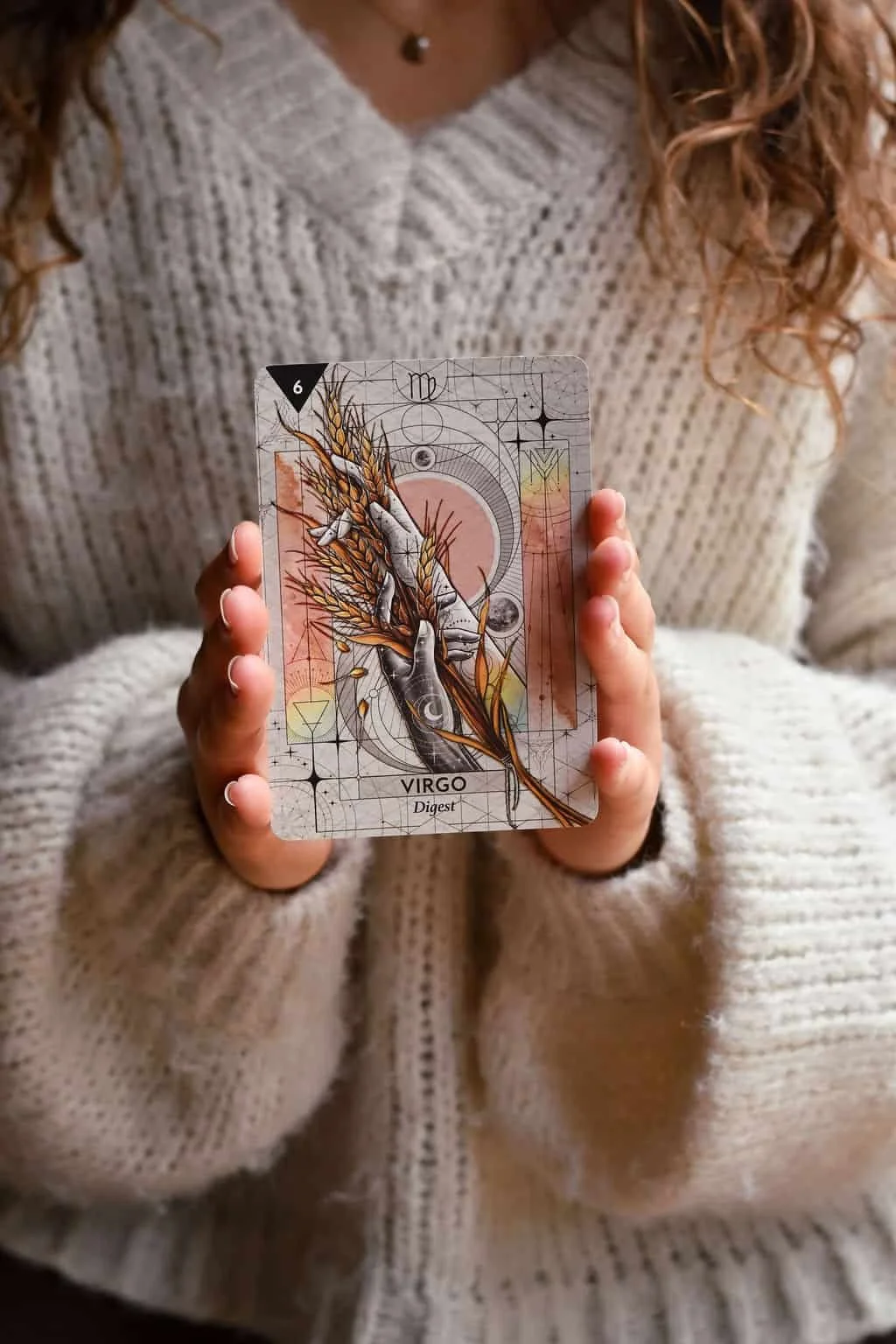
Leo governs the heart and the upper back. Virgo governs the gut, the small intestine, the nervous system's capacity to sort and integrate. The elemental shift from Fire to Earth three quarters in the month is a shift that is both seasonal and energetic, where we move from the expansive outward brightness of Leo into Virgo's more exacting, inward attention.
This August’s lunar cycle is also marked by eclipses, with the new moon on August 12 is a solar eclipse, and the full moon on August 28 is a lunar eclipse.

Kapalabhati (Skull Shining Breath)
A Breathing Technique For Energy and Focus
This invigorating breath practice clears the mind and stimulates the body through rhythmic, forceful exhalations. Kapalabhati is traditionally seen as a kriya (specific sets of practices to clear and unlock energy channels or chakras in the body), but its mental effects are equally profound.
How to Practise:
Sit upright and place your hands on your lower belly.
Inhale gently.
Exhale sharply through the nose while actively pumping the abdomen. Inhalations are passive.
Begin with 30 repetitions, then pause and breathe naturally. Complete up to 3 rounds.
Why This Breath Technique Helps:Research shows that Kapalabhati improves cerebral oxygenation and stimulates areas of the brain associated with attention and decision-making. One study published in International Journal of Yoga found Kapalabhati increases alpha and beta brain wave activity, suggesting both a relaxed and alert state.


Spending Time with Trees Reduces Cortisol Levels
Welcome to Nectar Yoga Retreat’s wellness blog, where we explore holistic and yoga practices that deepen your connection to nature, self and other relations. If you’ve been on this journey with us, this year on our wellness blog, we’ve been focusing on the mind-body-spirit benefits of plants and certain fungi. This month, we’re spotlighting the alder trees residing on the forest where Nectar is located, and the therapeutic practice of forest bathing with these majestic trees.
The Healing Power of Forest Bathing
Forest bathing, or "Shinrin-yoku" from its Japanese origins, is more than just a walk in the woods. It’s a mindful practice of immersing oneself in the forest atmosphere, engaging all the senses, and finding solace in one’s relationality with all of nature. Studies have shown that being among alder trees and other trees in the form of forest bathing significantly lowers cortisol levels—the body’s primary stress hormone. This reduction in cortisol is linked to decreased blood pressure, improved mood, and enhanced immune function, making forest bathing one of the most effective relaxation techniques available.

The roots of trees have two key jobs (among many, many others), to anchor the tree to the earth, and absorb nutrients and water from the soil. As humans, our “roots” and foundations are our anchor points as we grow.
We grow stronger when nurtured with healthy food, relationships, lessons, feedback, and reflections. Though our roots are weak from a lack of coping tools, unhealthy relationships, poor nutrition, etc., we struggle to grow.
Trees, in particular, quietly offer many lessons from which humans can learn much. The David Suzuki Foundation created a thoughtful list to inspire perspective.

Solar plexus tapping is a percussive self-massage technique applied to the soft triangle just below the sternum, where the ribcage divides. The solar plexus (technically the celiac plexus) sits at the junction of the sympathetic and parasympathetic nervous systems, and in yogic tradition marks the third chakra, the seat of personal agency and the capacity to act from one's own centre.
Tapping here stimulates vagal tone and engages the enteric nervous system, making it a direct entry point for stress relief and nervous system regulation at any point of acute overwhelm during the day, not only within a formal practice. It also improves circulation to the digestive organs, which matters in Cancer season, as our stomachs so often gets affected when we have a lot on our minds.

Pine trees, belonging to the genus Pinus spp., stand as stalwart guardians in the forest network. These evergreen conifers, characterized by their needle-like leaves and distinctive cones, possess an enduring visual and fragrant allure. Their presence is woven intricately into the fabric of our ecosystem, offering both tangible and intangible gifts to the environment and its inhabitants, including here at Nectar Yoga Retreat on Bowen Island.

Mosses’ diminutive size belies their resilience, tenacity, and ecological significance. Mosses are essential for retaining soil and moisture (as much as 40 times their weight), preventing erosion, and providing homes, insulation, and sustenance for various organisms in their ecosystems, including at Nectar Yoga Retreat on Bowen Island.

Known for its stinging leaves, Nettle is a herbaceous perennial that offers a myriad of benefits ranging from environmental rewilding to medicinal uses and even spiritual significance. Nectar Yoga Retreat’s wellness blog also includes lesser known fun facts, and three nettle tea recipes that do wonders for our complexions and general vitality.

Aparigraha is one of the five Yamas, or ethical guidelines, found in the 8 Limbs of Yoga by Patanjali. It is often translated as "non-possessiveness" or "non-grasping", Aparigraha encourages us to cultivate a sense of detachment from material possessions and desires. By embracing the principles of Aparigraha, we can reduce stress, increase mindfulness, and live a more fulfilling life.
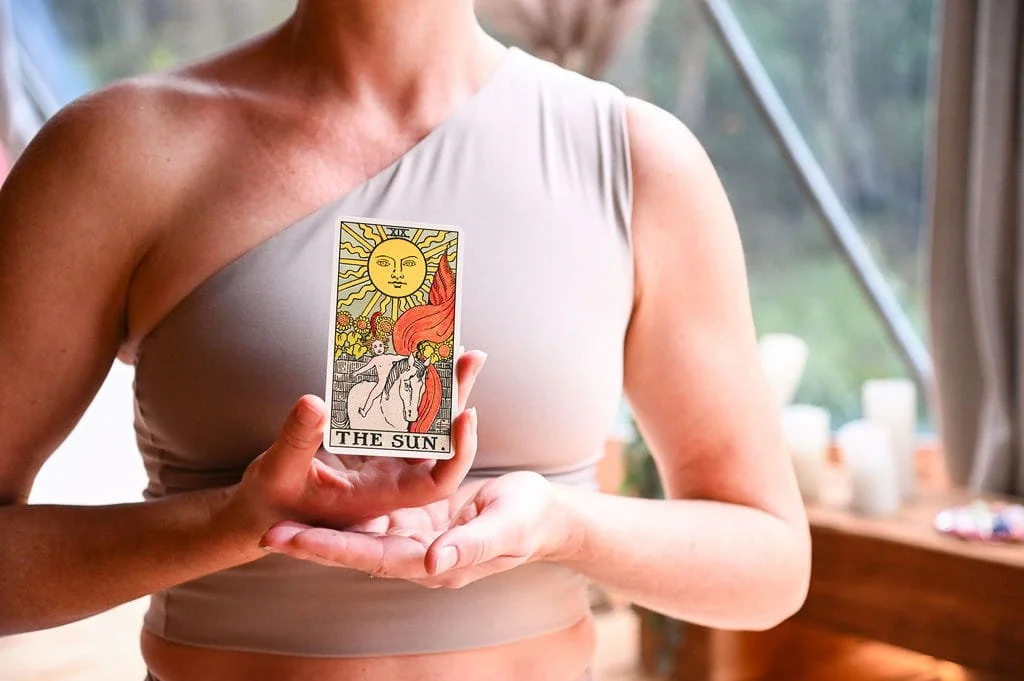
The summer solstice falls on June 21 this year, the longest day in the Northern Hemisphere and the point at which the sun reaches its longest presence in the sky before beginning its cyclical return southward. The word solstice comes from the Latin sol sistere, meaning the sun stands still.
This day also marks the entry of the sun into Cancer, making it a seasonal peak and simultaneously an astrological turning point, the moment when summer's outward expansion begins its pivot toward the more inward, receptive, and home-like quality of Cancer season. At Nectar Retreat on Bowen, by late June, the forest is fully canopied, the sunlight filtering through the trees rather than shining directly.
This post offers a short yoga practice and a few ways to mark the summer solstice, whether you are on Bowen or anywhere else. Details on the ever-popular, in-person evening Summer Solstice Yin Sound Bath at Nectar are at the end.

Gemini's domain is the shoulders, arms, hands, and lungs. May introduced that territory and the practices that open it. June begins there and moves down into the chest, the ribs, and the breath's deeper capacity. Three-Part Breath, which this month introduces, reaches further into the body than box breathing does, expanding the lower belly, the ribcage, and the upper chest in sequence. It is the breath of Cancer's water element: receptive, layered, touching the baseline of the self.
In the Western astrological tradition, Cancer is ruled by the Moon, which governs cycles, tides, and the rhythms of the body that are not entirely under conscious control. The practices this month work with that quality. Where May's practices asked for steadiness and physical form, June's ask for surrender to sensation. The chest opens not because you push it open but because the breath makes room.

Beyond appreciating them in cooking, what are oyster mushrooms good for? Pleurotus varieties are saprotrophs that are involved in providing nutrition to its ecosystem as a primary decomposer of wood, especially deciduous trees, and beech trees in particular, though here in the Pacific Northwest, oyster mushrooms are also seen growing on dying hardwood trees. Their saprophytic function benefits the forest by returning vital elements and minerals to the environment in forms that are usable to other plants, other organisms, and general soil biology.
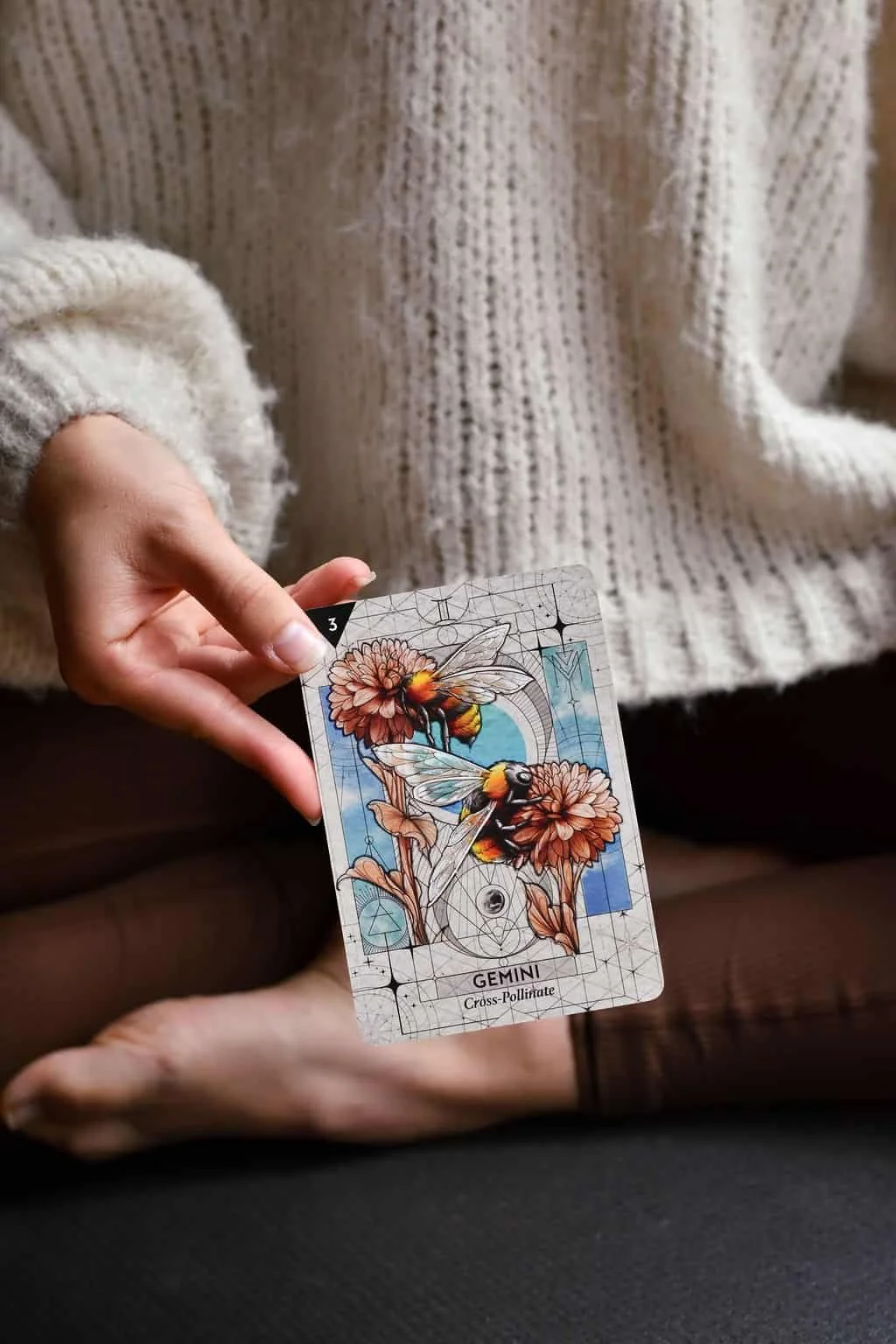
For the month of May, Taurus governs the neck, jaw, and throat, then Gemini, starting on May 21, governs the shoulders, arms, and lungs. May moves through both, meaning the month carries a natural arc from the lower, singular part of the upper body (the neck) toward the wider, dualistic, and more mobile one (the shoulders and arms).
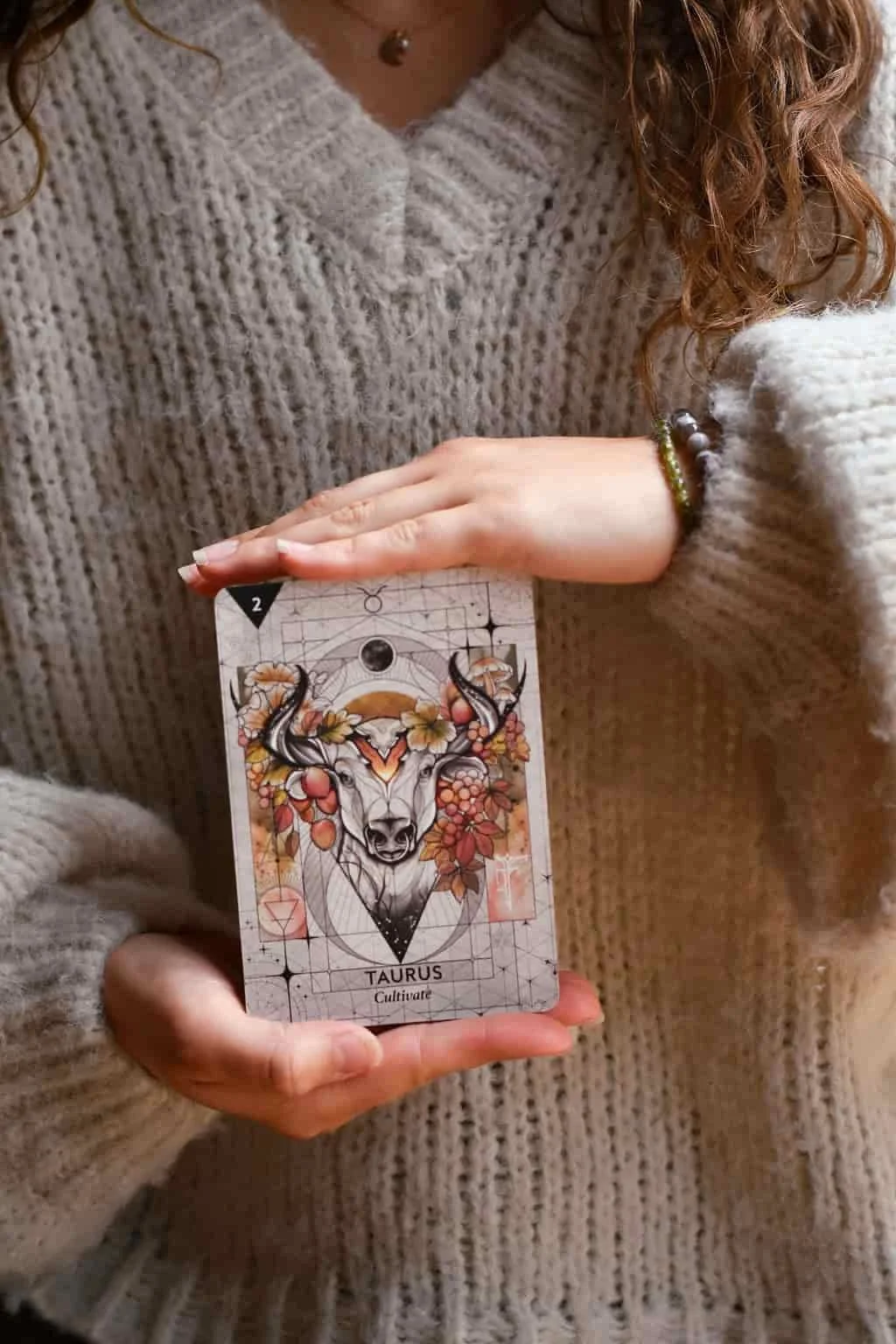
April: From Fire to Earth
Aries is a Fire sign, and Fire is interested in movement and visibility. The head and the brain are its domain in the body, which is why the weeks of Aries season often bring a particular kind of alertness, a feeling of the mind running slightly ahead of everything else. Over the winter months, attention settled inward and downward, toward the feet and the slower rhythms that Pisces governs. March pulled it back upward again, toward the face and eyes and the part of the head where decisions live.
Taurus rules the neck, the jaw, and the throat, which is the corridor connecting all of that head-forward Aries energy back down into the rest of the body. When the sun moves into Taurus, something in the physical body responds to that shift, often first in the jaw, which many people hold without realizing it. The masseter muscle, running along the side of the jaw, is one of the strongest muscles in the body relative to its size, and it tends to absorb whatever has not yet found its way into words.
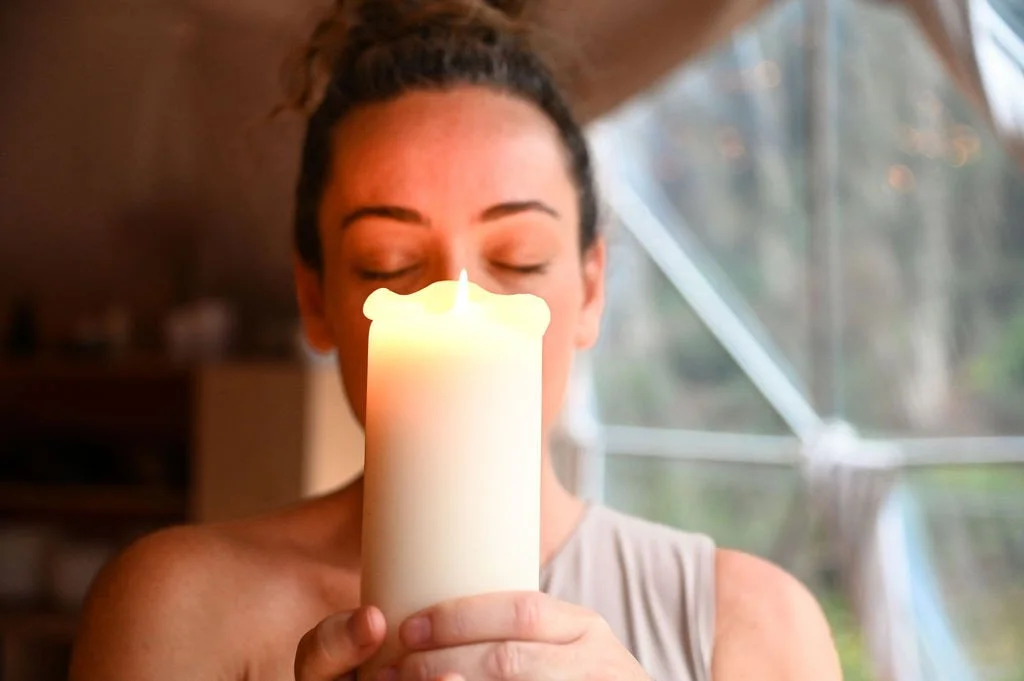
Each year, the Spring Equinox arrives as a moment of equilibrium. Light and dark, day and night, Sun and Moon stand in equal measure, and in collaboration. In 2026, the Spring Equinox falls on March 20 in the Northern Hemisphere, following a season that has asked for inward assimilation before outward movement.
Winter and early Pisces season tend to work in the dreamscape or unconscious. Experience is absorbed, sorted, and processed often without clear conclusions. Much of this happens through intuition and bodily sensation rather than conscious language. By the time the equinox arrives, the body has already been negotiating change for some time.
The Spring Equinox marks a crossing, where direction starts to matter, both emotionally and physically, from a period of sorting, shedding, and reprioritizing. It means not everything can cross with us on the bridge, and balancing priorities within current realities becomes the task at hand. Often, these realizations arrive through mindfulness and a deep listening to the body, sometimes through somatic stretching.
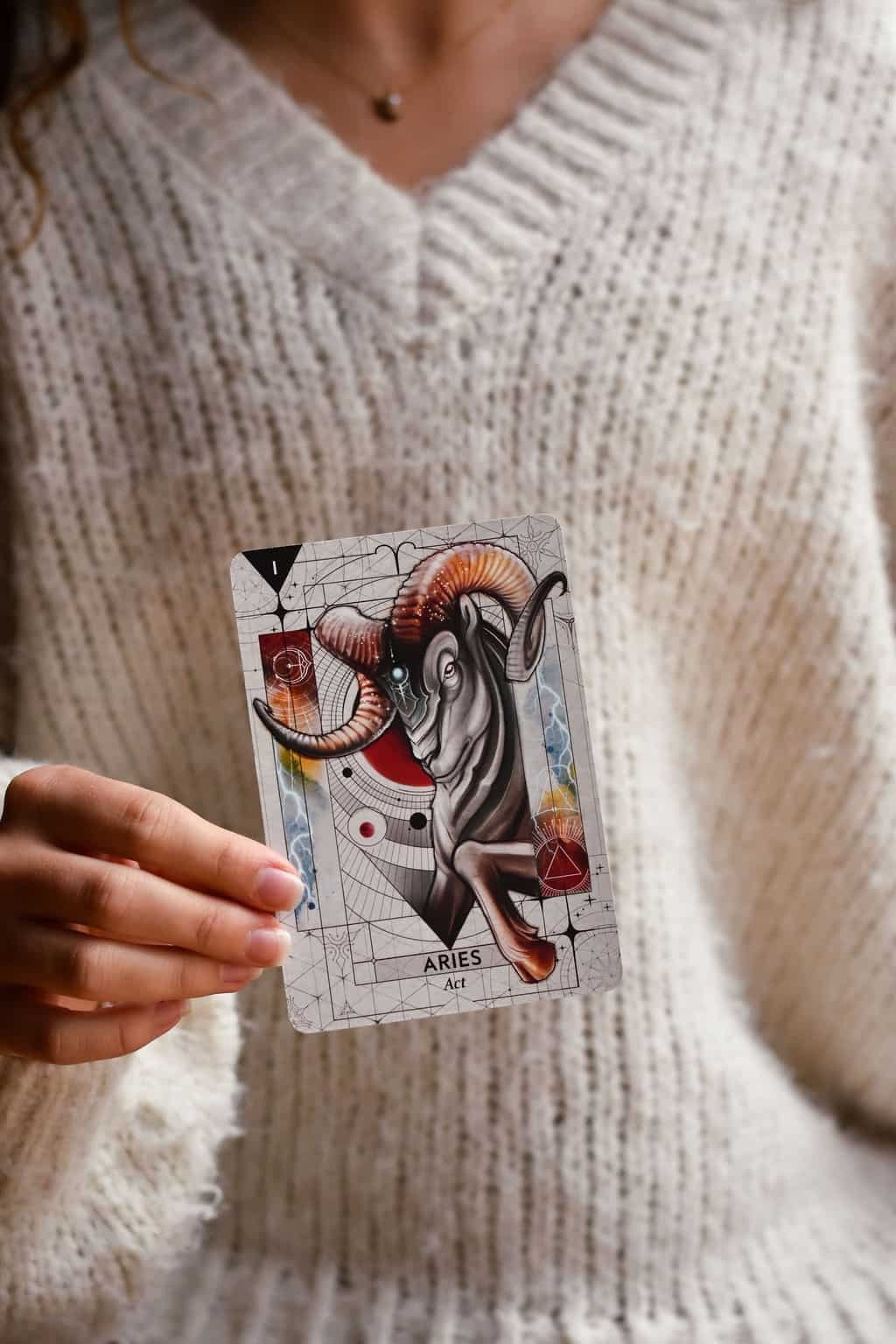
Water governs how experience moves through, without the urgency to step into action. Over the winter months, attention has settled into slower internal rhythms, where sensation through contact and repetition, particularly in the feet, registers weight, temperature, and subtle shifts in balance long before they become conscious thought.
Fire reorganizes that process. Awareness rises from the feet, gathering itself toward the head, the face, the eyes. Perception becomes more selective. The body begins to favour orientation, signalling a readiness to move rather than simply receive. There is a narrowing of attention, and a realization that some threads now matter more than others.
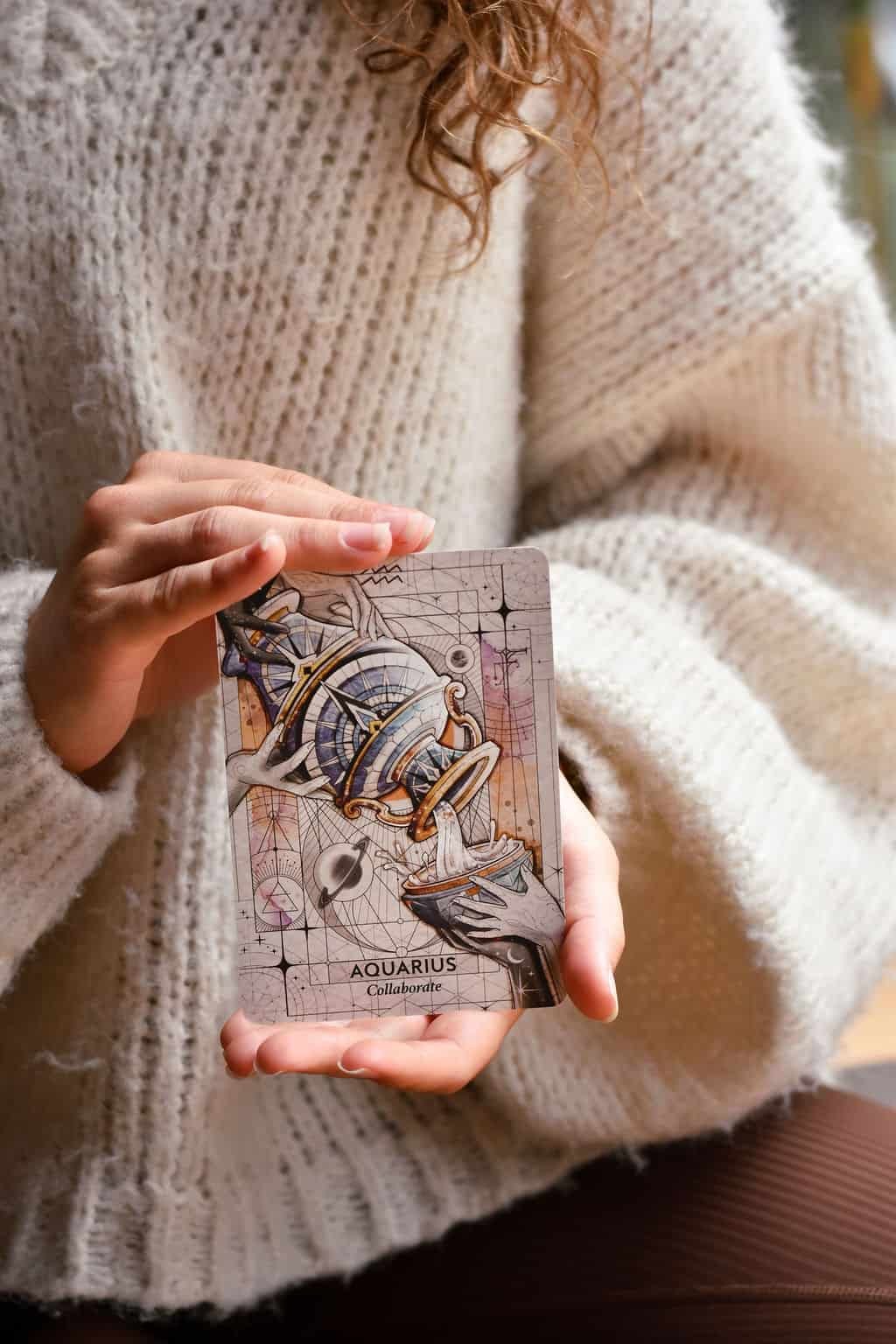
Moving from Aquarius into Pisces marks a shift in how information is received and processed in the body. Air signs govern circulation, signaling, and connectivity, as well as how messages travel quickly through the nervous system, joints, and breath. Water signs, by contrast, relate to absorption, filtration (sorting), and integration. As this transition unfolds, attention moves from how energy circulates to how it settles. Sensation replaces effort as the primary guide. The body begins to process experience through the feet, the lymphatic system, and the slower internal rhythms that support restoration. Insight arises as something felt and integrated over time; patience and trust is needed when working under Pisces.
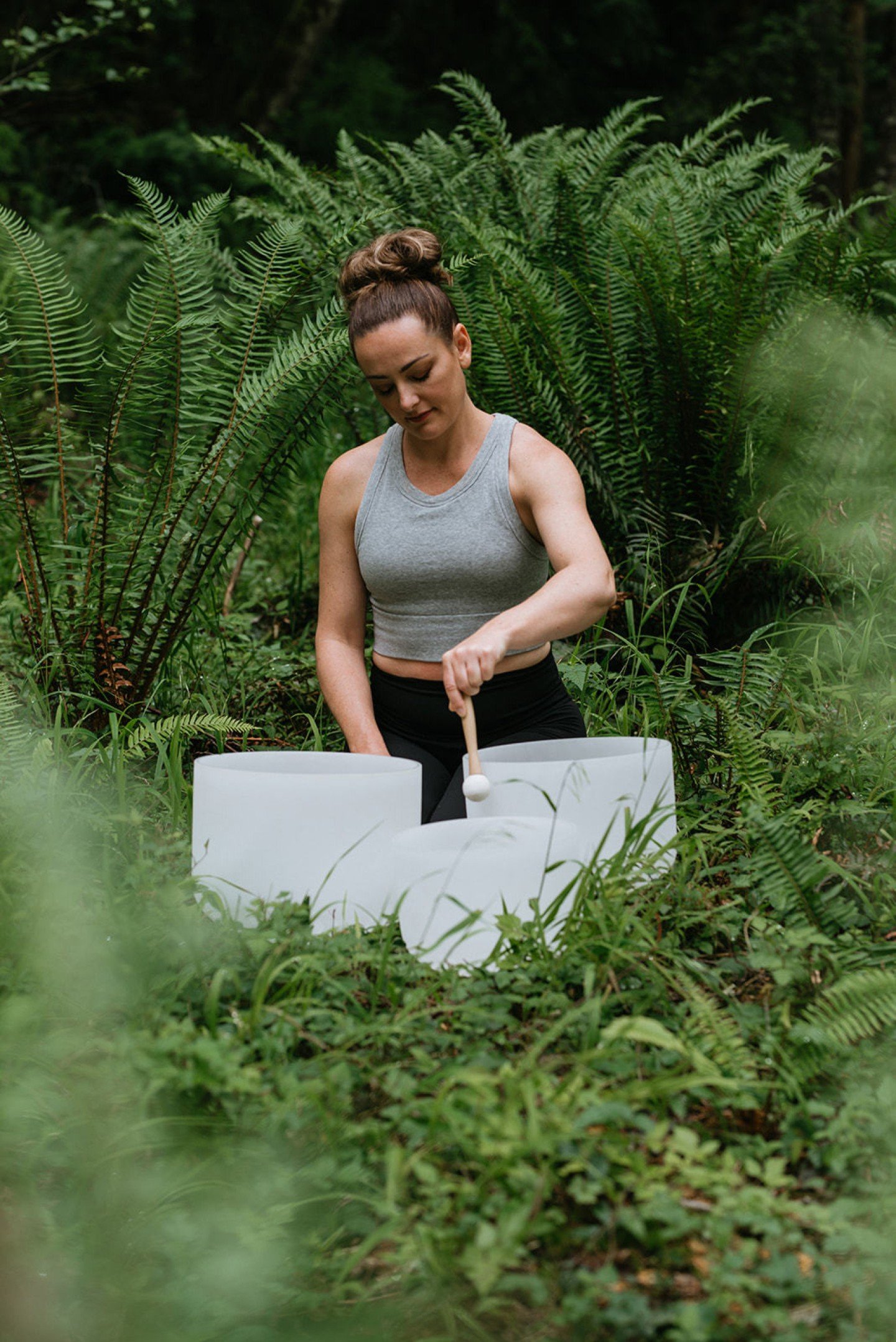
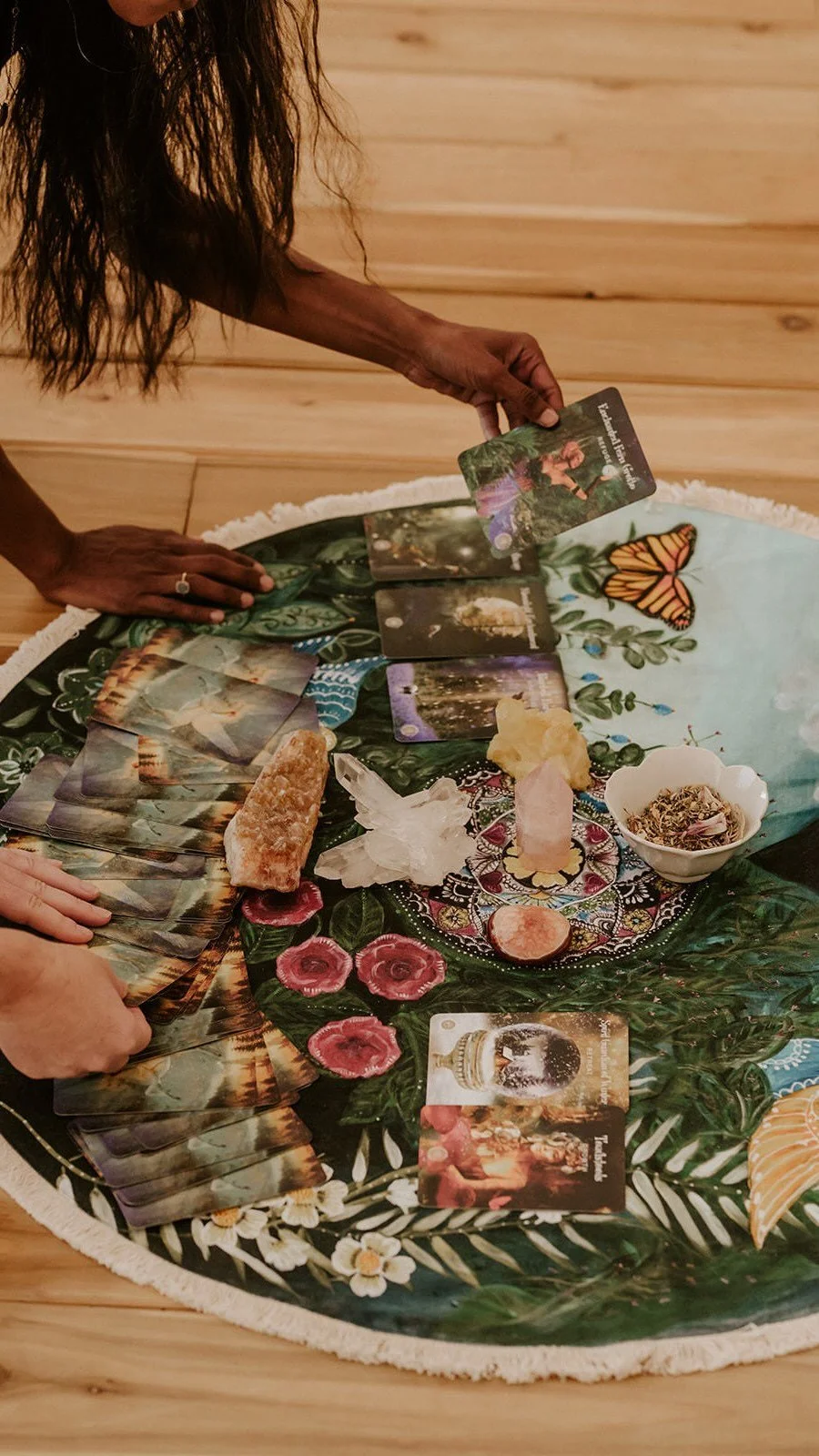



Spending time outdoors can…
lower blood pressure
reduce levels of cortisol (stress hormones)
strengthen immunity
relieve anxiety
improve concentration
improve short-term memory
energize the body + mind
improve your mood
strengthen sleep patterns