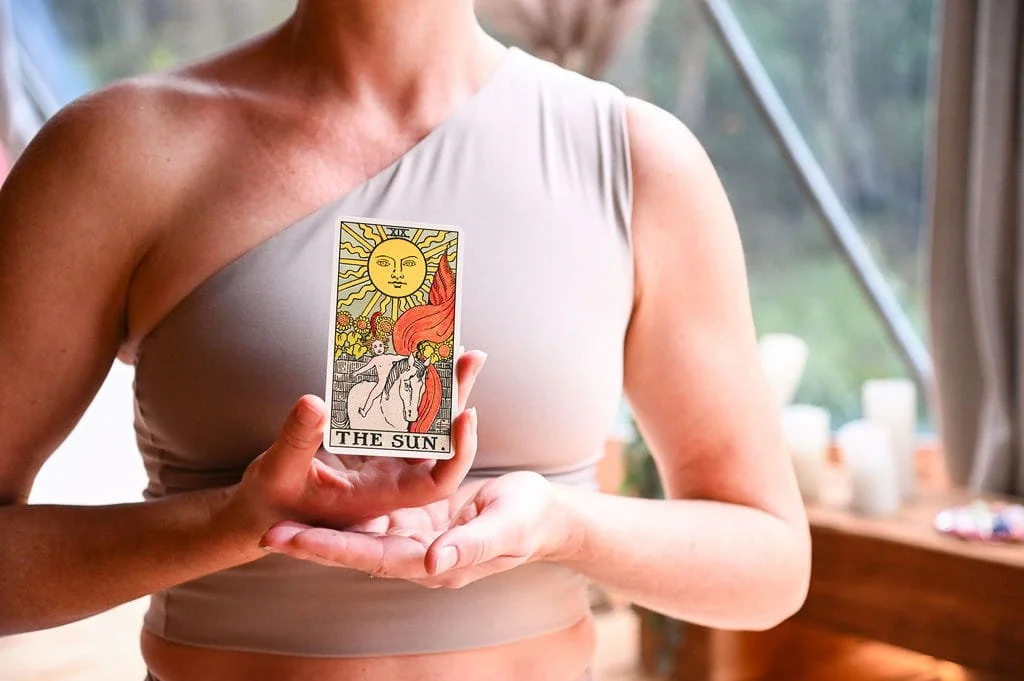
Summer Solstice is on Sunday, June 21, 2026
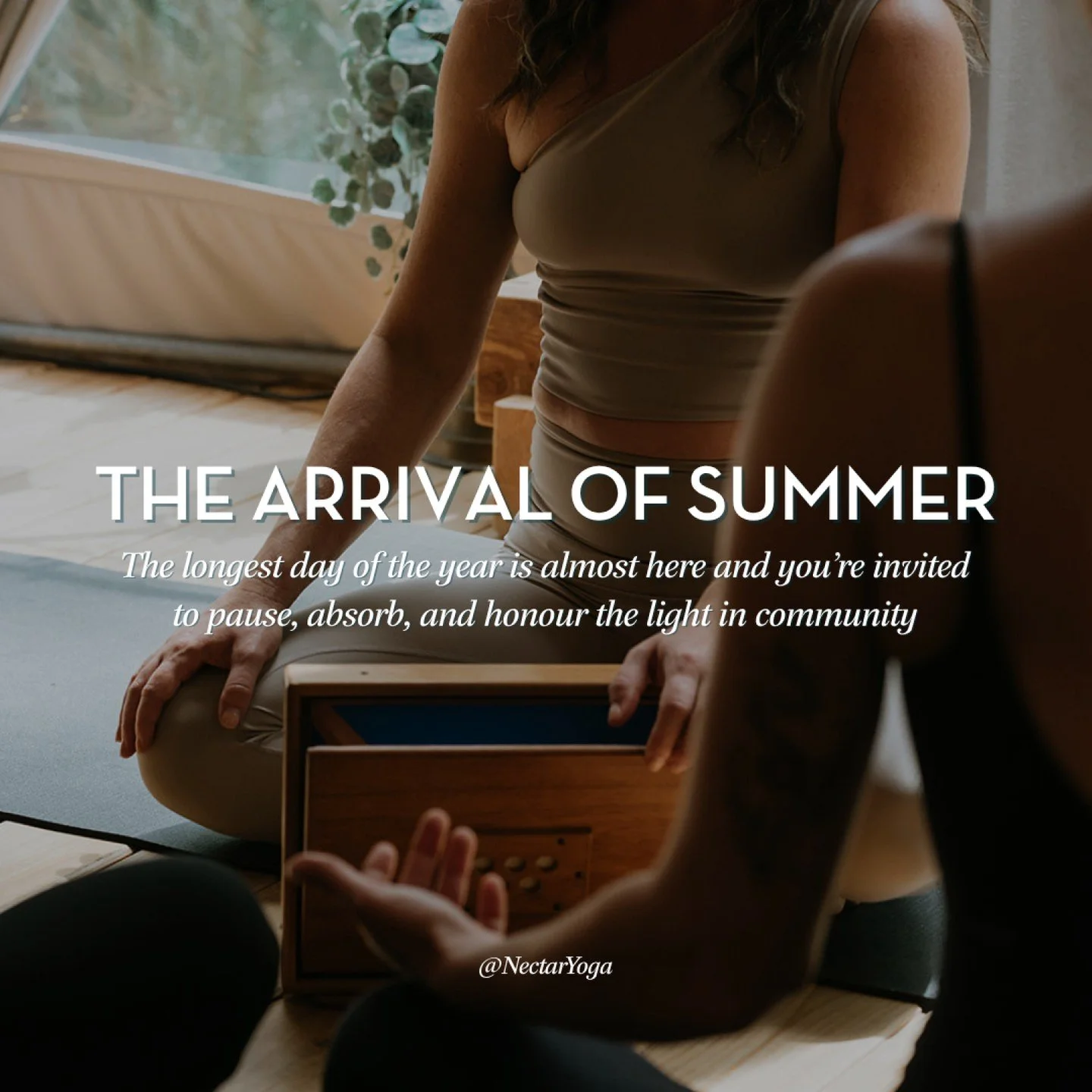
The Longest Day of the year
The summer solstice falls on June 21 this year, the longest day in the Northern Hemisphere and the point at which the sun reaches its longest presence in the sky before beginning its cyclical return southward. The word solstice comes from the Latin sol sistere, meaning the sun stands still.
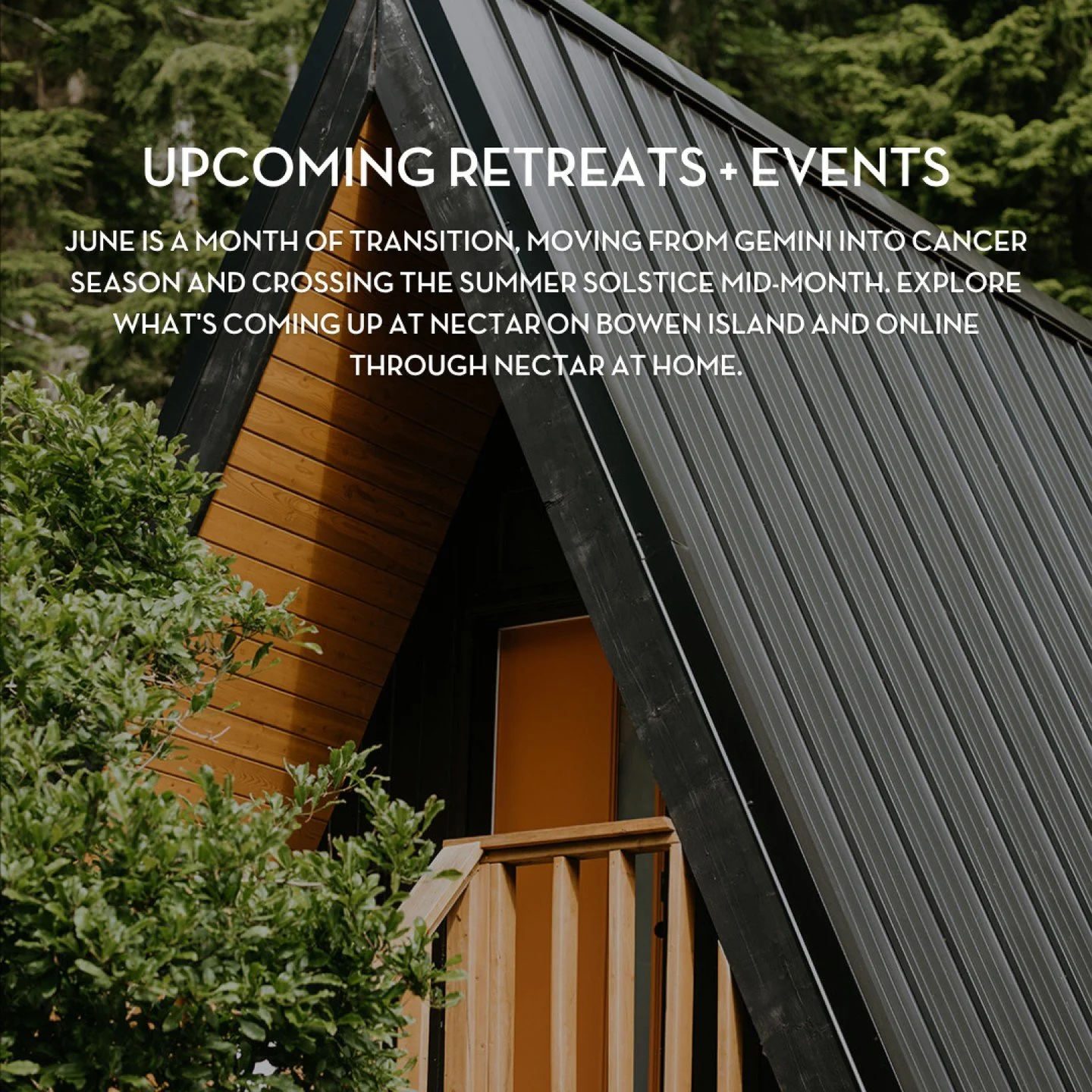
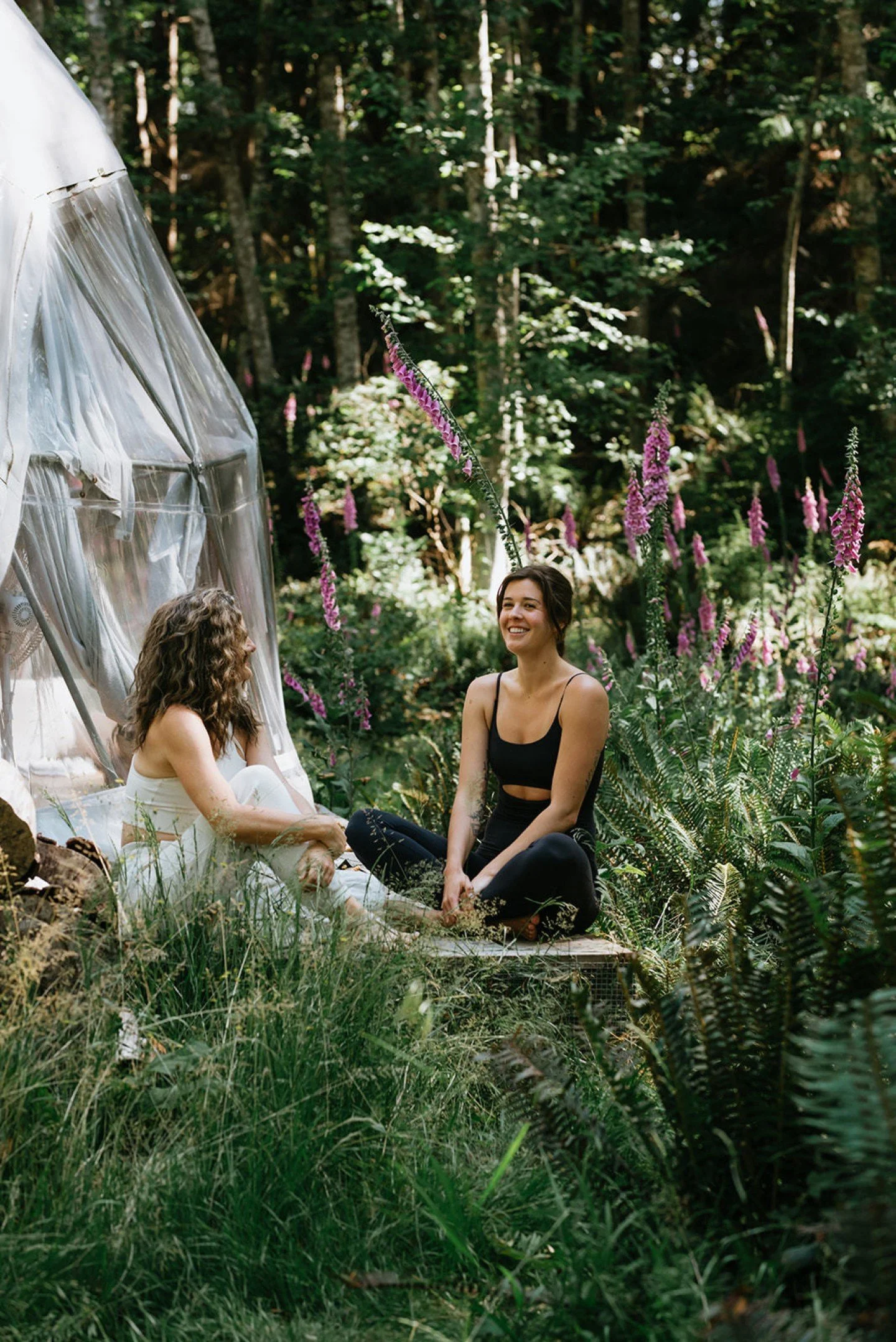
This day also marks the entry of the sun into Cancer, making it a seasonal peak and simultaneously an astrological turning point, the moment when summer's outward expansion begins its pivot toward the more inward, receptive, and home-like quality of Cancer season. At Nectar Retreat on Bowen, by late June, the forest is fully canopied, the sunlight filtering through the trees rather than shining directly.
This post offers a short yoga practice and a few ways to mark the summer solstice, whether you are on Bowen or anywhere else. If you prefer to follow video classes, Nectar At Home offers seasonal classes to mark the shifts of Solstices and Equinoxes.
How the Solstice Has Been Observed ACROSS CULTURES
The summer solstice is one of the oldest observed astronomical events across human cultures. For most of human history, tracking the sun's movement was inseparable from practical and spiritual life: the solstice marked not only the midpoint of the growing season, but also a moment of direct relationship with the forces that governed light, harvest, and survival. Stonehenge in England, Newgrange in Ireland, and the Pyramid of Chichen Itza in Mexico are all oriented to anticipate for and observe the solstice, along with other events occurring in the sky.
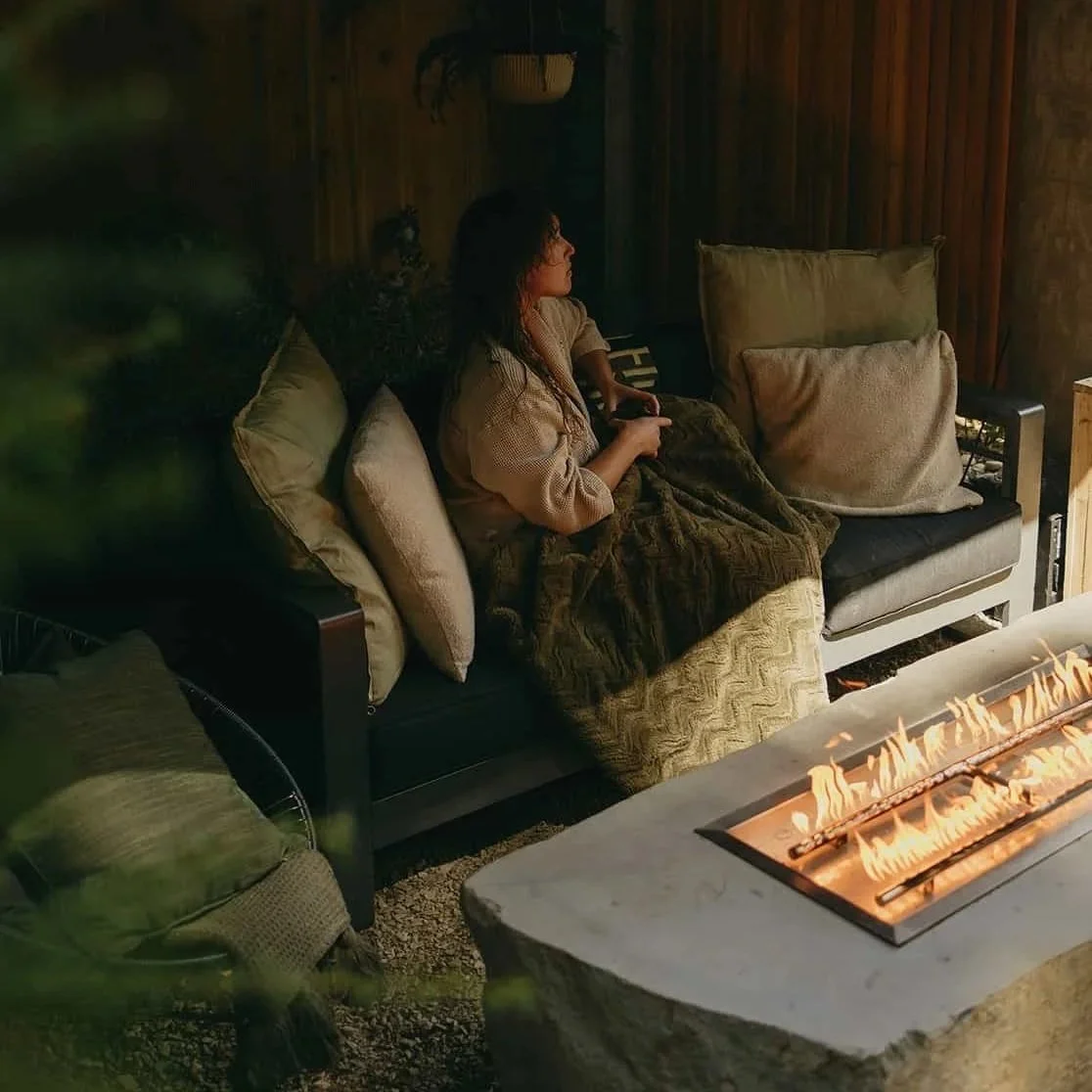
In European traditions, the solstice was marked with bonfires, particularly in Celtic and Scandinavian cultures where Midsummer is still celebrated with fire, feasting, and gathering. Fire was understood as a mirror of the sun, and lighting it at the moment of solar peak was both a celebration and a kind of reciprocal gesture. A sauna and cold plunge at Nectar’s sister venue, Mist Thermal, may be the medicine you need with the outdoor fire overlooking the forest.
In many East Asian traditions, the summer solstice sits within the Fire phase of the five-element cycle, a period of maximum yang energy, outward movement, heat, and expression. Chinese solar terms divide the year into 24 segments, and the solstice marks Xiàzhì, a point of full solar ripeness before the yin cycle gradually resumes. Historically, it was a time to pray for a good harvest by late summer or early fall, and to perform gratitude rituals for the land’s bounty.
Bowen Island sits on the unceded territory of the Sḵwx̱wú7mesh Úxwumixw (Squamish Nation), whose people have lived on and governed these lands for many millennia. In Canada, June 21 is also National Indigenous Peoples Day, a date chosen to align with the solstice because of its longstanding significance to Indigenous peoples across the country. The Squamish Nation's cultural life is deeply connected to seasonal rhythms, the cedar and salmon cycles, and the ceremonial practices that have been carried across generations. For the Sḵwx̱wú7mesh people, summer was historically a time of travel, harvesting, and gathering, the outward-facing season of movement and abundance. We mark this solstice with respect for the territory on which Nectar stands.
The Body at the Solstice
The sun at its peak governs the heart in both Ayurvedic and Chinese medical traditions. In Chinese medicine, the Heart is the emperor organ of summer, associated with joy, connection, clarity of mind, and a heightened capacity for presence. The chest and upper back, which Cancer season asks us to open, are the physical home of the Heart organ system.
The solstice is a symbolic day to practise with the chest forward and the arms open. Sun Salutation A, which this practice begins with, invites the body to move through expansion and contraction in rhythm with the breath. Star Pose, which follows, embodies stillness in full expansion, the body extended in five directions at once, chest open, feet rooted, arms wide. These are solar postures, and are outward, generous, and receiving.
The offering at the end of the practice, hands lifted toward the sun, is the simplest possible ritual, as it functions as a gesture of acknowledgement toward the light that has been sustaining the growing season. It is also a recognition that after the peak, comes an activation to the other polarity, the eventual return of the winter solstice.
A Summer Solstice Practice
Sun Salutation A (Surya Namaskar A)
Purpose: Sun Salutation A is the most direct physical acknowledgement of the sun in the yoga tradition. The Sanskrit surya means sun, and namaskar means to bow or greet. Moving through the sequence at solstice is a practice of reciprocity. Each round warms the body from the inside, moving heat from the core outward through the limbs. On the solstice, the sequence can be practised toward a window or outdoors, facing the direction of the sun.
Practice note: Move through 3 to 6 rounds at your own pace, breathing one full breath per movement. Still-frame images of each position are included below for reference.
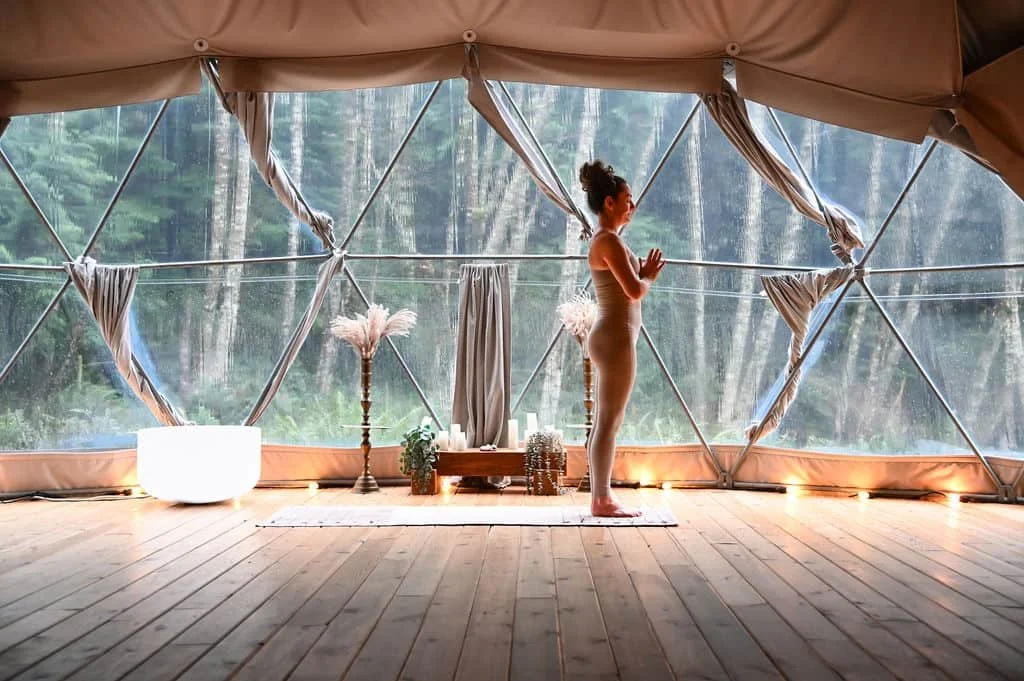
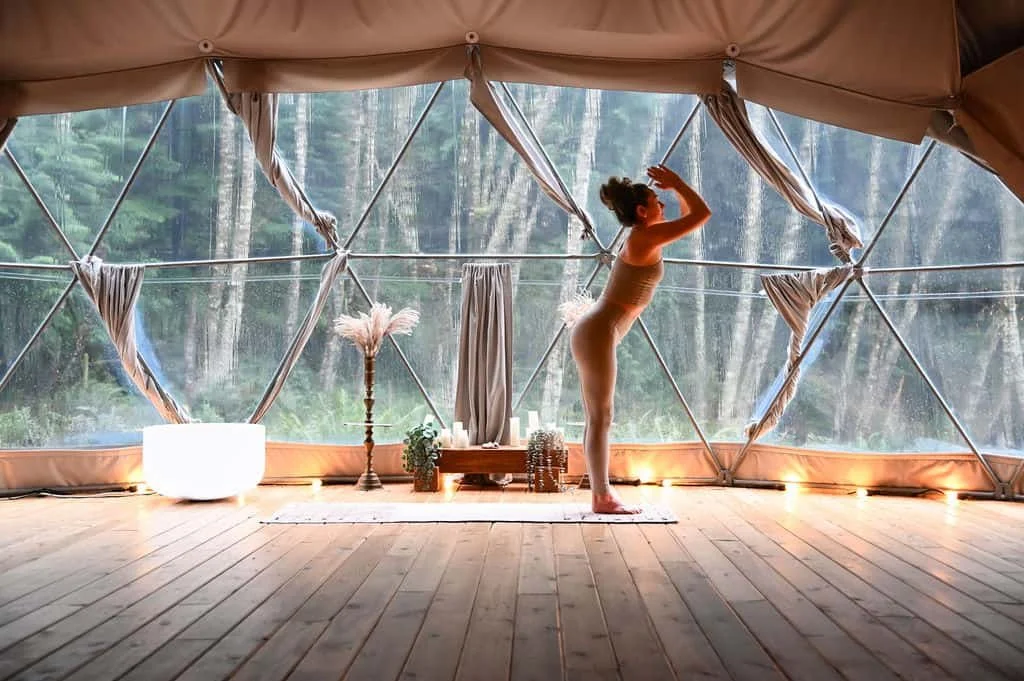
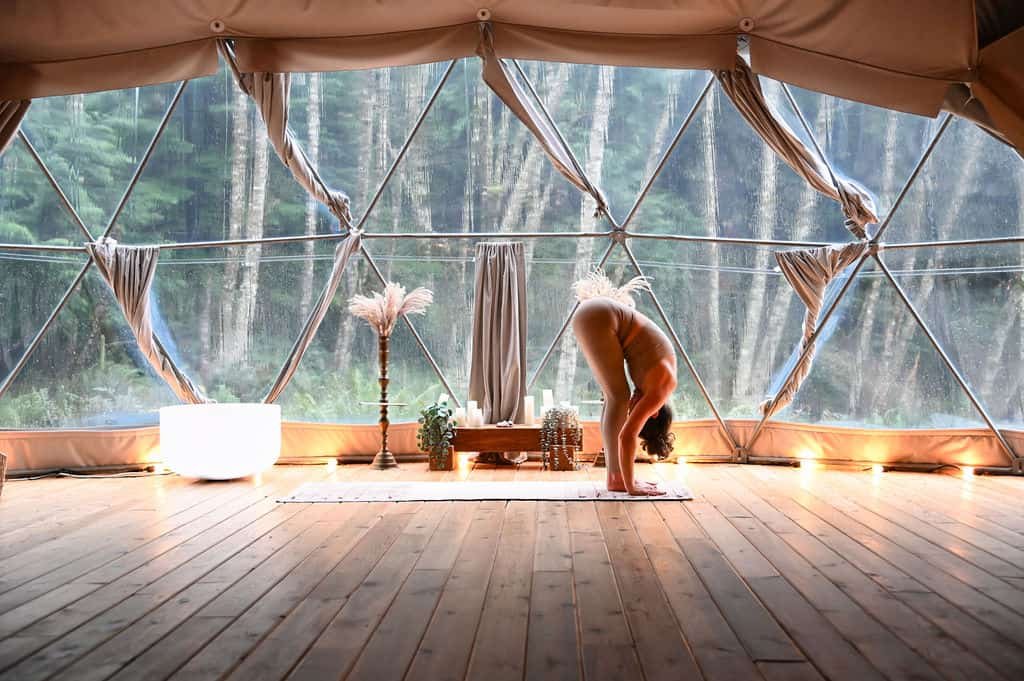
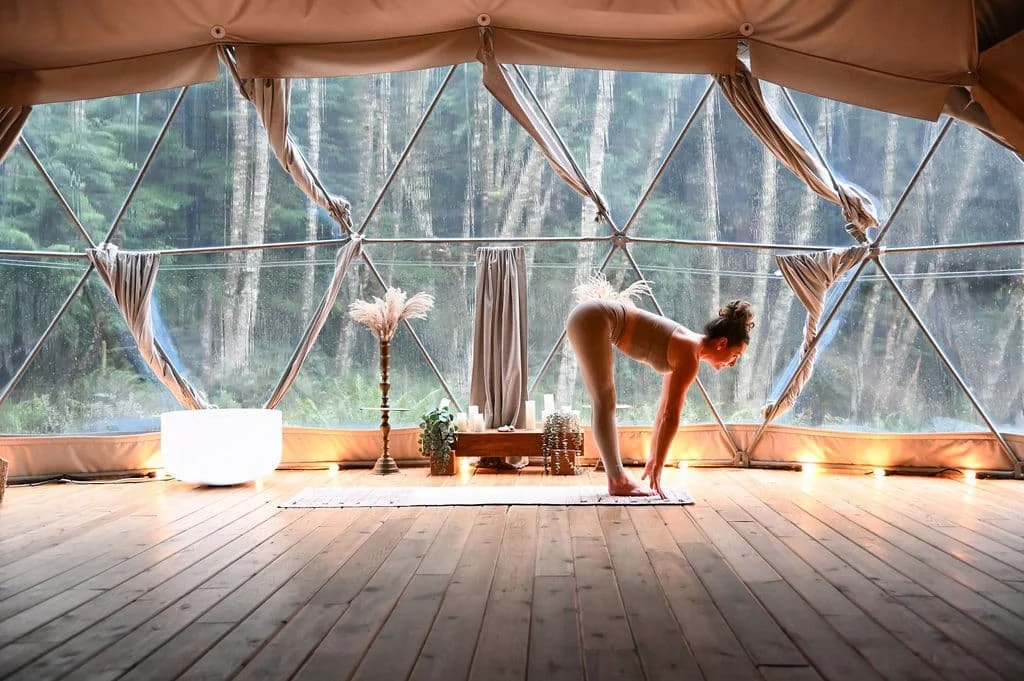
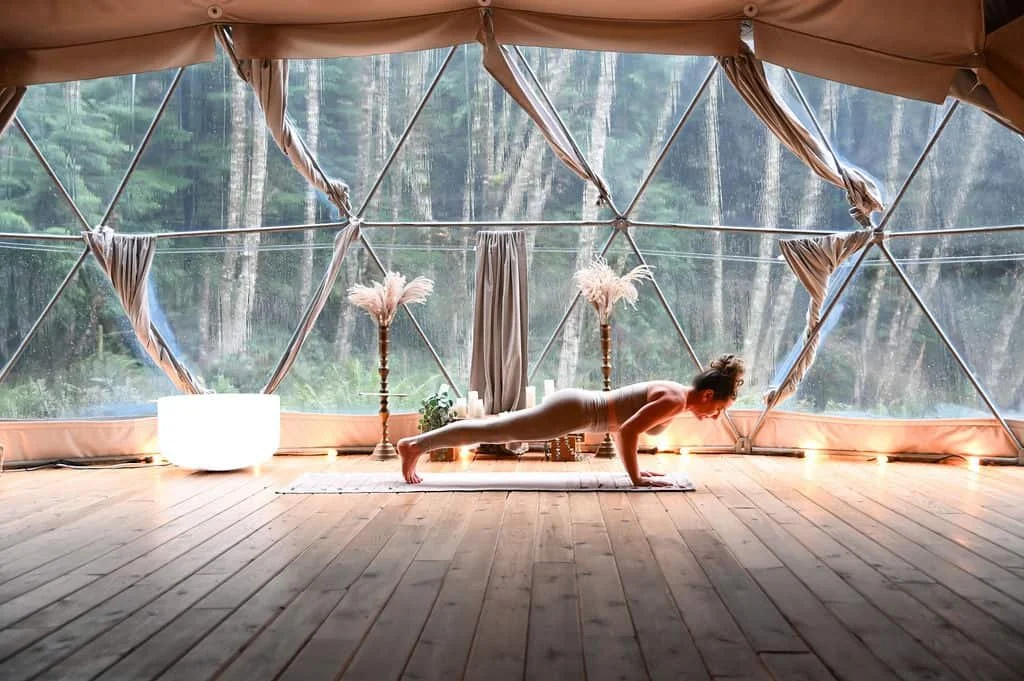
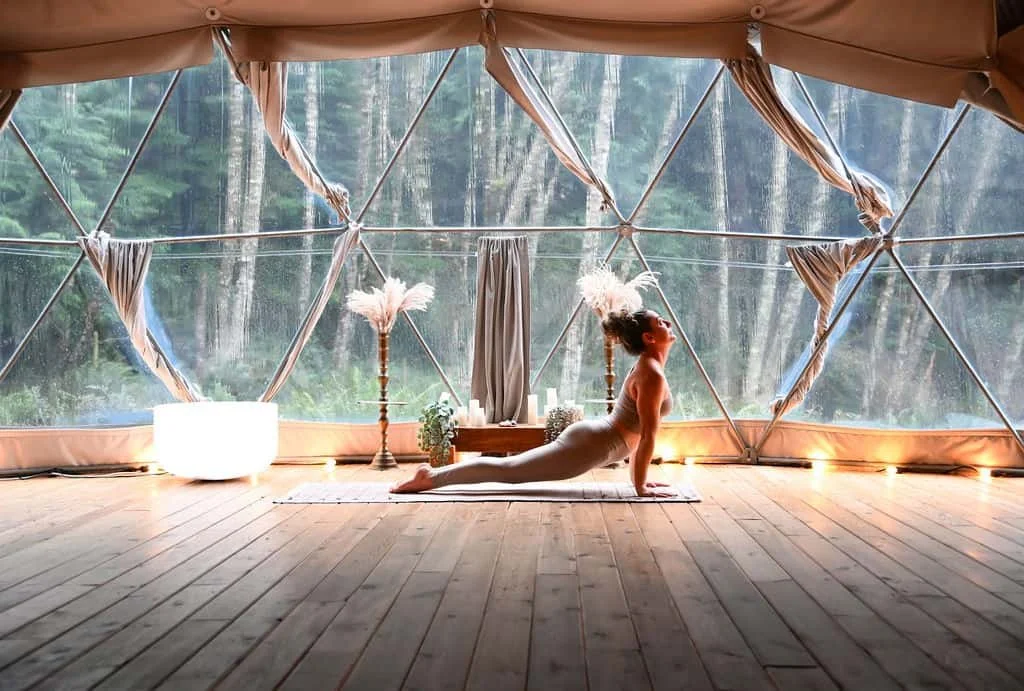
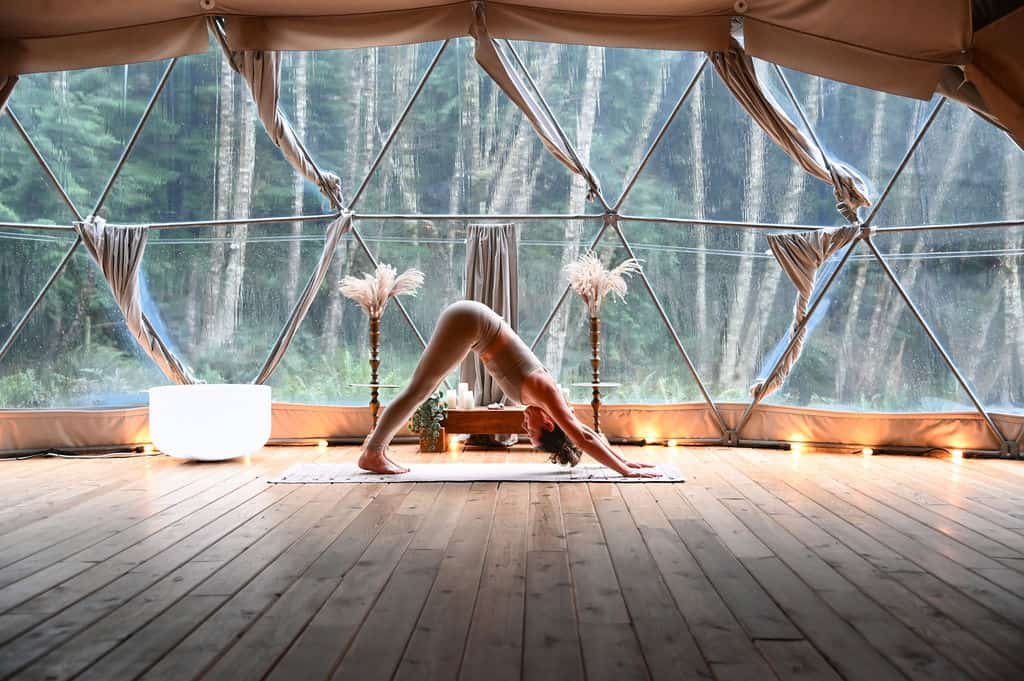
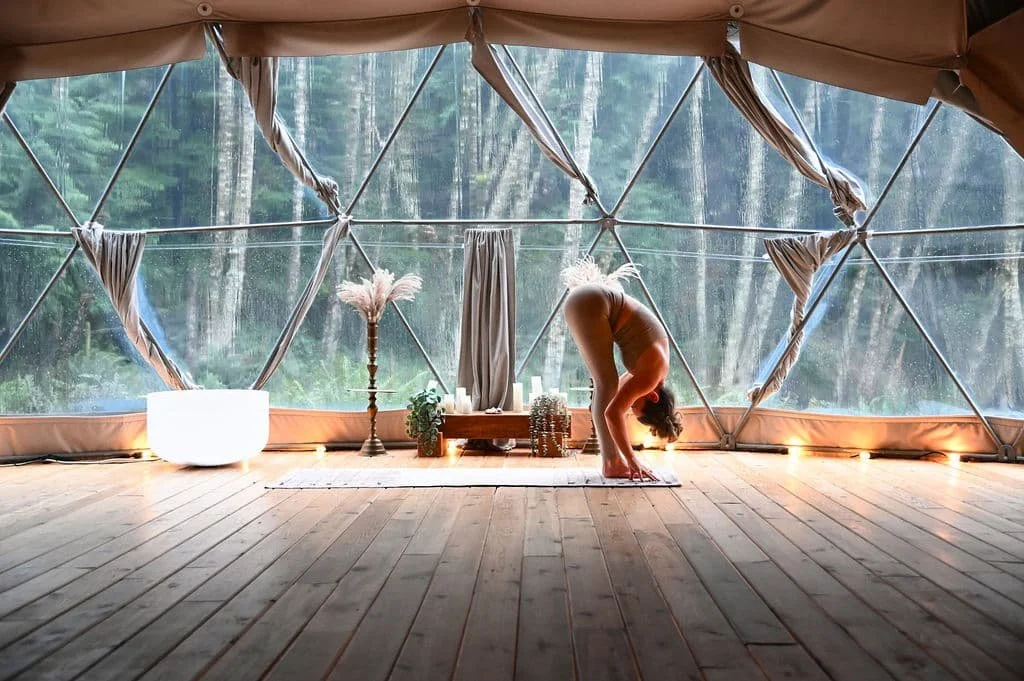
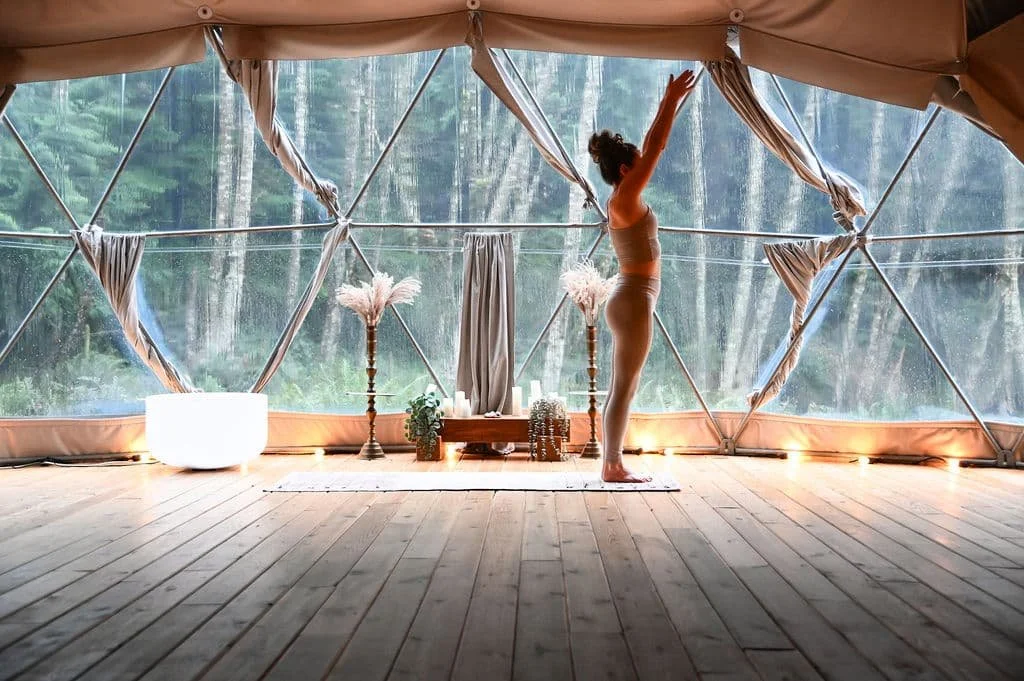
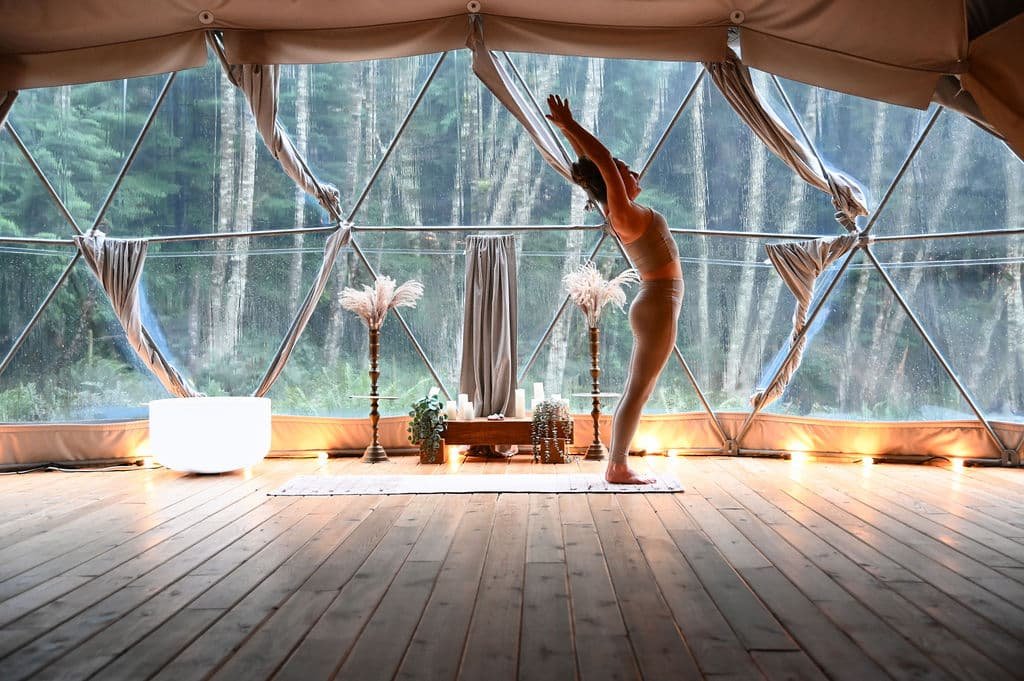
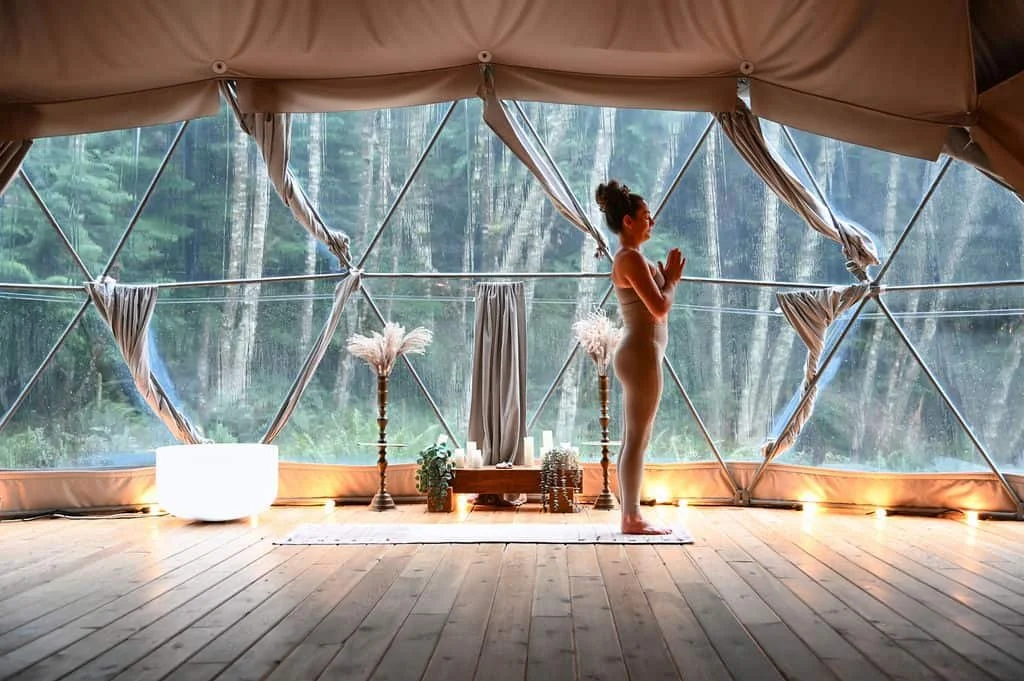
Solstice intention: Before the first round, pause in Mountain Pose with one hand at the heart. Name one thing that has grown in you since the last winter solstice in December. Let the salutations move from there.
Star Pose (Five-Point Expansion)
Purpose: Star Pose asks the body to hold the shape of full expansion: feet wide, arms extended to shoulder height, chest open, the body filling as much space as it occupies. It is a solar posture that moves inward feeling to an outward form.
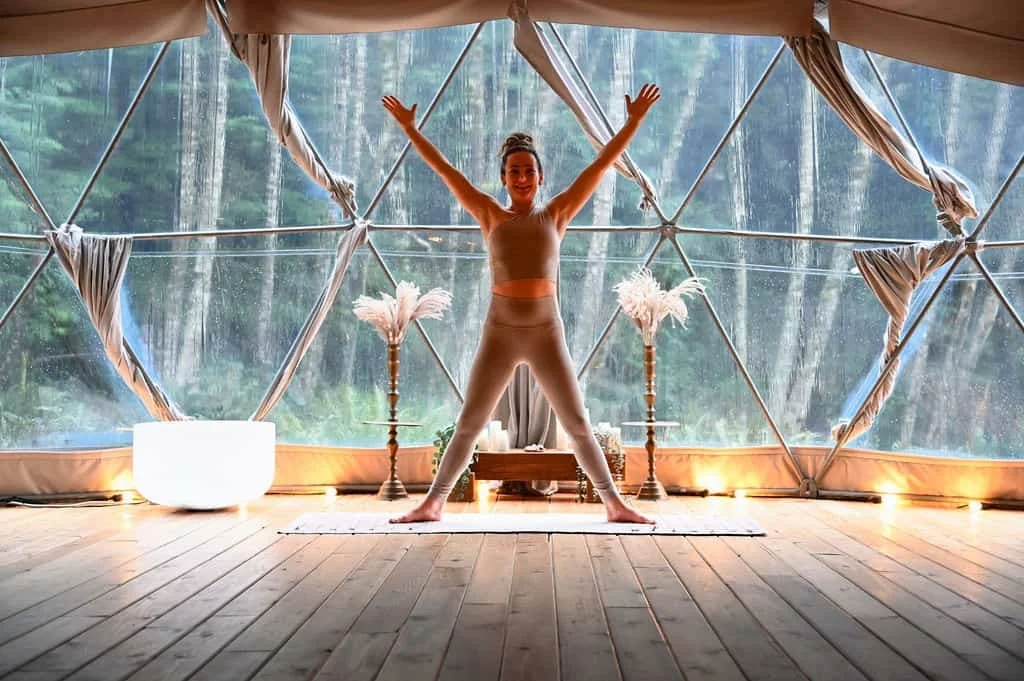
How-to:
Stand with the feet wide, roughly four feet apart, toes pointing forward.
Extend both arms to shoulder height, palms facing down or upward.
Lengthen through the crown of the head, soften the shoulders away from the ears, and breathe into the full width of the chest.
Hold for 1 to 3 minutes, or as long as the arms and breath remain easy.
On each inhale, feel the body expand outward from the centre. On each exhale, let the roots deepen through the feet without collapsing the width.
Focus: Star Pose is most beneficial when it is held long enough for the initial effort to settle. In the first thirty seconds, the arms are working. After that, a allow a quality of presence that is less about effort and more about the willingness to be fully extended, fully visible, and fully here.
Making an Offering to the Sun
This is the simplest practice in the sequence. Its simplicity makes it easy to move through quickly. Resist that.
From Star Pose or from standing, bring the feet together and turn to face the direction of the sun. If you are indoors, face the brightest window. Lift both arms overhead, palms open and facing upward, and hold that position for several full breaths.
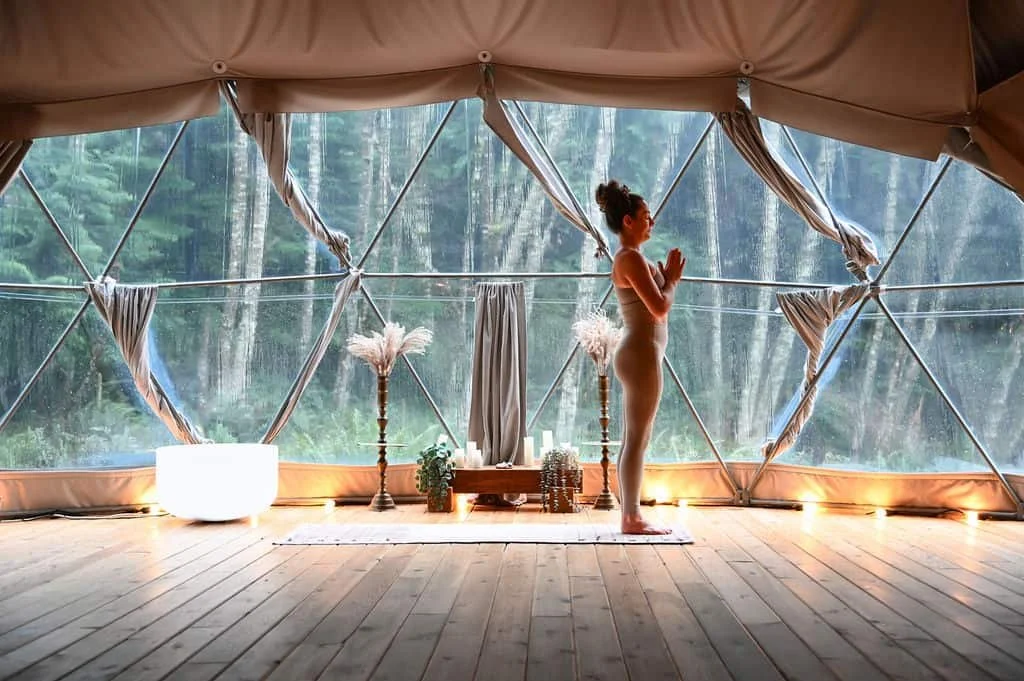
The sun has been sustaining the growing season since March, and on the solstice it reaches its peak. Lifting the hands toward it is a gesture of acknowledgement: you are part of what the sun has been feeding. In the Hatha yoga tradition, the sun salutation sequence was developed as a practice of acknowledgement toward the sun as the source of prana, the life force that moves through the natural world. Stay in the posture in silence, or speak aloud one thing you are grateful the sun has fed this year.
Sun Tea with Mist Goods Agni Essence
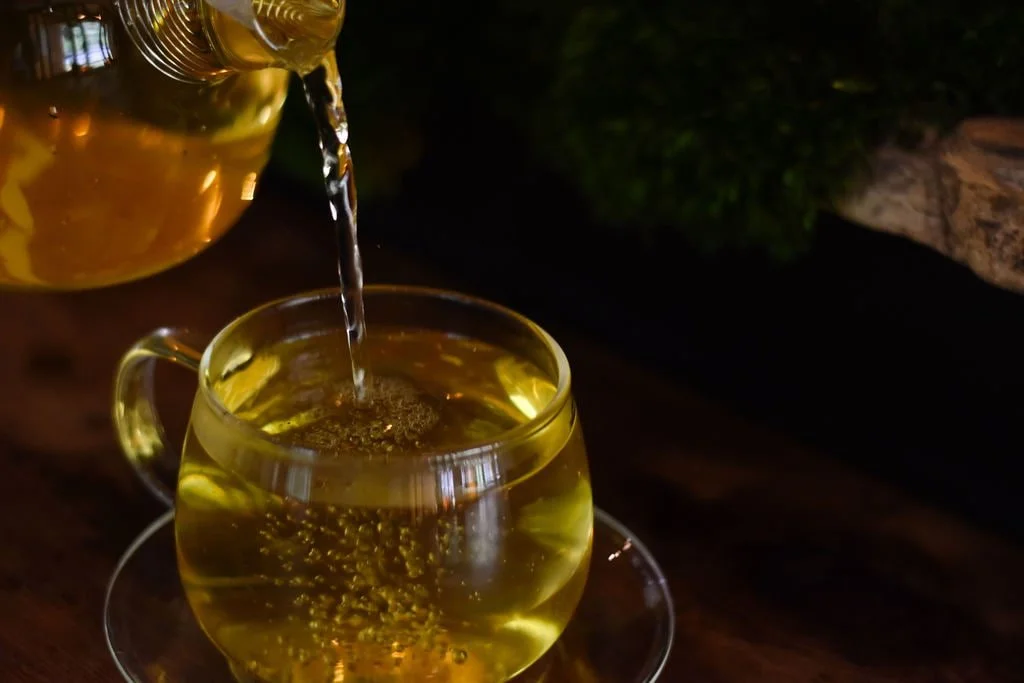
Agni is the Ayurvedic word for digestive fire, the body's capacity to absorb and transform. At the solar peak, when fire energy is at its highest in both Ayurvedic and Chinese medicine frameworks, Mist Goods' Agni Essence tea is a fitting herbal tisane to prepare. The blend is made with ginger, lemon, and marigold and safflower petals with qualities that are warming, bright, and floral.
Brew a cup according to the instructions: one teaspoon steeped in boiling water for 3 to 7 minutes, strained, sweetened with honey if you like. If you prefer cold brew, infuse it overnight in cold water in the fridge, then strain and add a splash of lemon juice and/or honey before drinking. Take it outside, or to the brightest spot you have, and drink it in the sun. Shop Mist Good’s Agni Essence Herbal Tea.
Journalling for the Solstice
Cancer is the sign of memory, of home, of what the body holds onto, sometimes for years. The solstice energetically opens those memories, which can also mean the shadows are also at their sharpest. These prompts sit inside that tension of both sun and shadow:
What do you know about yourself now that you did not know at the winter solstice? Not what you have achieved, but what you understand.
What are you protecting, and does it still need that level of protection?
Where in your life is the light brightest right now, and what does that illumination show you that you have been avoiding looking at directly?
What does home mean to you at this point in your life? Has that changed?
Cancer’s symbol is the crab. Using the metaphor of the hermit crab, what are you carrying into the second half of this year that provides you a sense of safety? And what are you carrying that feels burdensome? Could it be released?
Nectar At Home: How to Relax, Practising Mindfulness
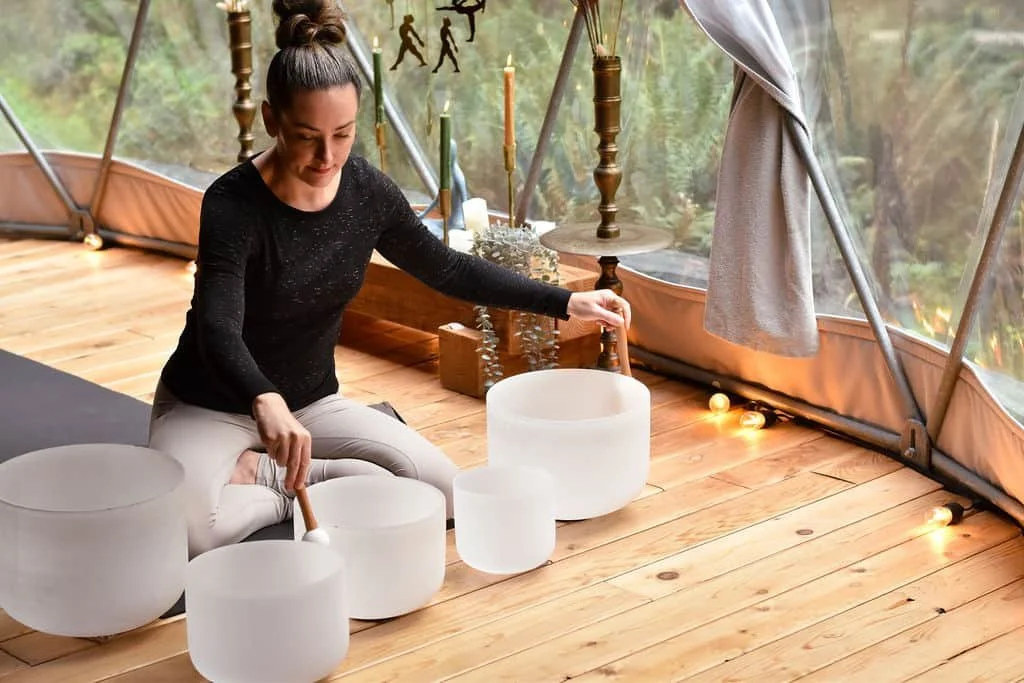
If you are not on Bowen Island for the solstice, Nectar At Home offers the online membership for ongoing seasonal practice, including yoga for strengthening and stress, meditation and mindfulness, breathing exercises, and other forms of contemplative movement. The monthly content follows the same seasonal observances that Nectar does onsite, so wherever you are, the practice remains rooted in what the land and starst are doing. Explore Nectar At Home.
About Nectar Yoga Retreat Centre
Nestled beneath towering conifers on Bowen Island, Nectar offers British Columbia vacation packages with 2-night stays on Bowen Island, nourishing vegetarian breakfasts, and daily guided yoga and meditation. We host mindfulness and meditation retreats, yoga retreats, sound healing workshops, and other wellness practices with experienced instructors in holistic practice. Alongside our sister brand, Mist Thermal Sanctuary, we welcome guests from Vancouver and the lower mainland of BC, Victoria, Seattle, and beyond to relax and renew the mind, body, and spirit.
References
https://www.canada.ca/en/canadian-heritage/campaigns/national-indigenous-peoples-day.html
https://www.chinahighlights.com/travelguide/culture/chinese-solar-terms.htm
Disclaimer: The practices in this post are for informational purposes only and are not a substitute for medical advice. Please consult a healthcare provider before beginning any new movement or breathwork practice, particularly if you are pregnant, in perimenopause, or have existing health considerations. Participation is voluntary and at your own risk.