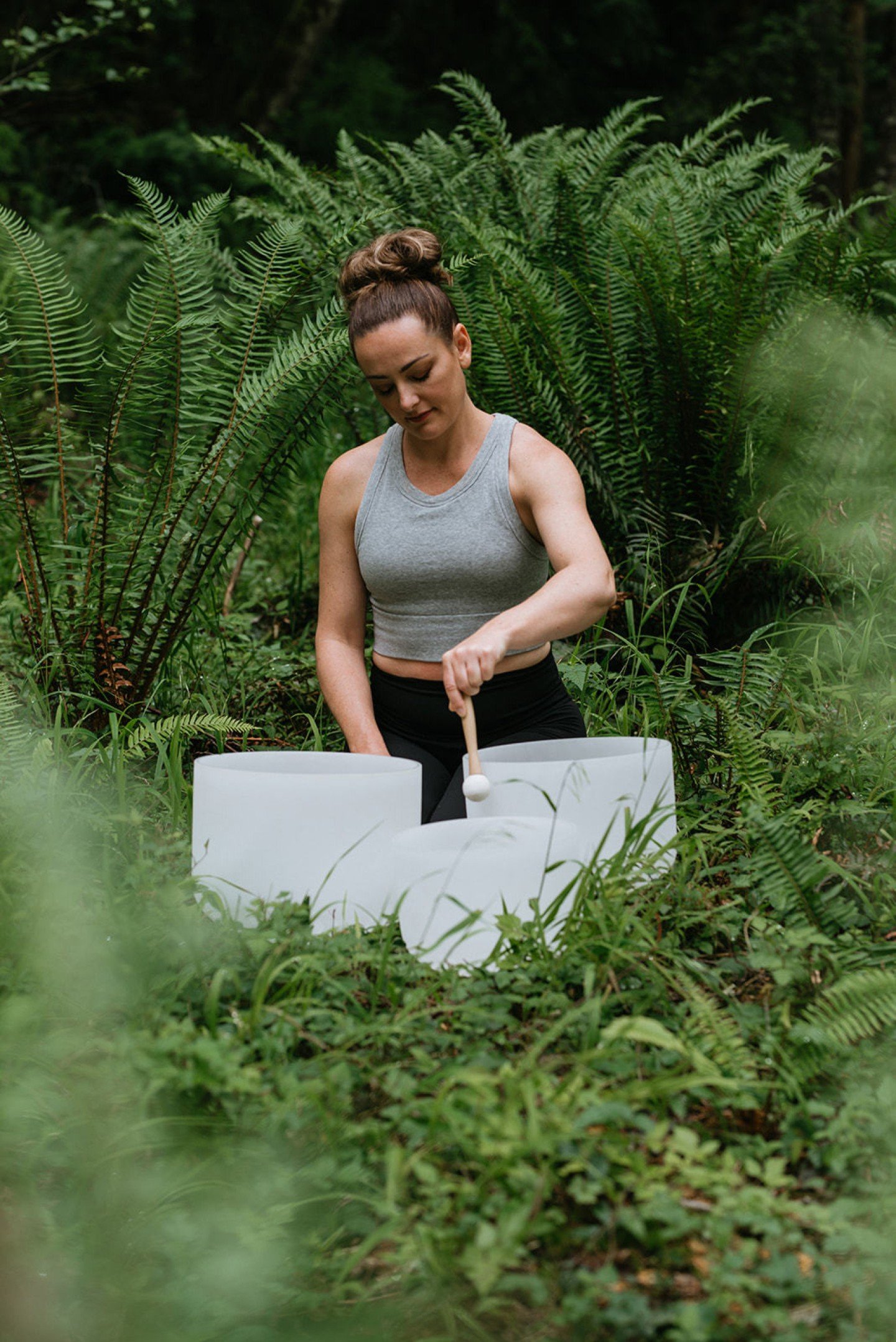
Read on to discover some fun and lesser known facts about the dandelion herb. Image via Pexels.
Last updated August 2026
Plus Why It’s A Favourite Herb for Vacationing on Bowen Island
Dandelion (Taraxacum officinale) is perhaps the most well known edible wild plant, as it grows just about everywhere, offering a distinct, pop of yellow (or a white puffball when it’s gone to seed) against a grassy background. One of the first flowers to bloom in spring, they attract not only pollinators, but also deer, Canada geese, and other animals. If you’re visiting us, you’ll find the most vivid displays of dandelions at Crippen Regional Park as a fun, outdoor activity to do on Bowen.
Welcome to Nectar Yoga Retreat’s wellness blog, where we share yoga and meditation wisdom, wellness tips, and other resources to help you feel and live your best. This year, we are publishing an article on a herb or funghi that grows here in the Pacific Northwest, spotlighting herbal benefits, their folklore and spiritual significance, and ecological role. In addition to discovering the benefits of dandelion and how to make your own dandelion root coffee (see below), learn how Yarrow impacts our energy fields, soothing Nettle tea recipes, and mouth watering pleurotus oyster mushroom recipes. Nectar Retreat attracts wellness-minded people from British Columbia, Washington State, and beyond, and is a Bowen Island vacation spot that’s been recognized by Condé Nast Traveler, who named it one of the best yoga retreats in the US and Canada.
While you read, have a listen to Nectar’s latest playlist, themed Resilience.
Why is Dandelion So Special?
According to author and herbalist John Kallas of Edible Wild Plants, dandelion blooms open and close once a day for three consecutive days. On the fourth day, they open as seed globes, also known as puffbacks or faceclocks. He wrote Taraxacum officinale, according to folktales, the number of times you have to blow on a puffball to clear it of its fluffy seeds tells you the time, or whatever seeds are left after the three puffs. Perhaps not scientifically verified, but the game is fun nonetheless, as cheery dandelion energy usually brings.
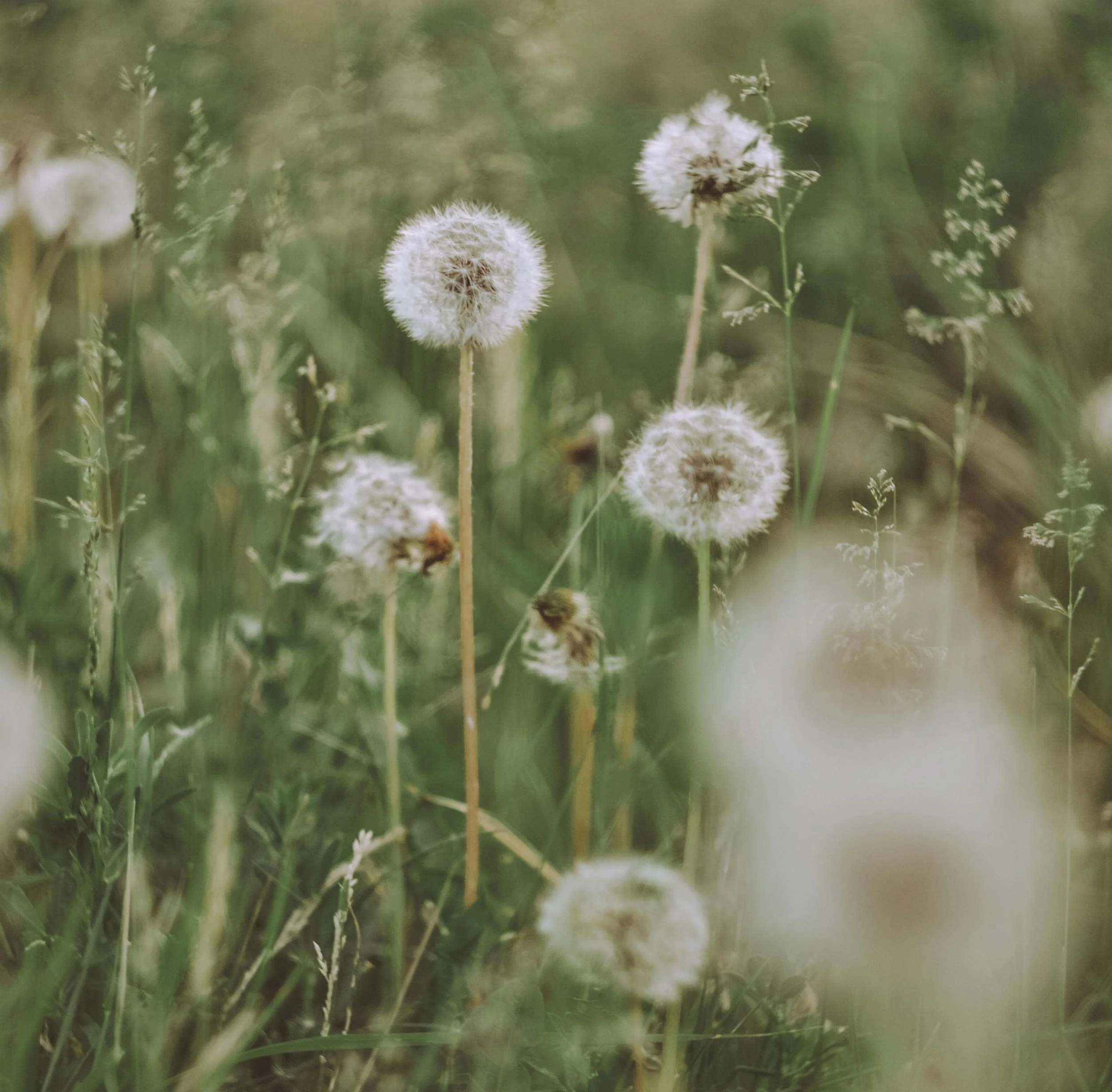
Puffballs are almost universally regarded as ‘wishmakers’, where you can make a wish, and blow the seeds into the wind. Image via Pexels.
There is a persistence and resilience to the dandelion weed. You can rip the dandelions out by their leaves, but the root will regrow the plant soon enough. When in bloom, the yellow dandelion heads can be harvested to make plant-based dyes that stay put and don’t run or fade. Anita Sanchez of Maine Organic Farmers and Gardeners further adds to dandelions’ persistence and longevity. The lifespan of a single dandelion plant can live for several years, with the roots sinking deeper over the years and can grow as much as 15 feet deep. They can thrive in unlikely places; dandelion leaves can grow through concrete and gravel, this is the plant that always has the last say. From an ecological standpoint, the plant’s ability to survive in barrenness is what makes it excellent at creating drainage channels in compacted soils, resulting in aeration and restored mineral health.
The Health Benefits of Dandelion: parasympathetic rest and digest
The botanical name, Taraxacum officinale can be translated from its Greek source, with ‘taraxos’ meaning disorder and ‘achos’ meaning remedy. In this way, ‘taraxacum’ means the remedy for disorders. Dandelions have been regarded as herbal medicine throughout the ages. Ancient Egyptians, Greeks and Romans enjoyed the healing properties of the plant, and they have been used in Chinese traditional medicine for over a thousand years.
Dandelion leaves contain beta-carotenes that are good for the eyes, skin and hair. They’re also rich in vitamins B, C, E, as well as iron, calcium, potassium, phosphorus, magnesium and zinc. Taraxacum officinale is a diuretic (a substance that promotes lymph drainage, kidney function, and eliminating toxins), attributing to why it’s called ‘pissenlit’ in French, which translates to ‘piss in bed’.
In both Traditional Chinese Medicine and European herbalism, the dandelion herb is regarded as a natural remedy that boosts the liver, where it activates and nourishes the solar plexus, and stimulates production of bile.
According to herbalist and wisewoman Susun Weed, dandelion leaves are a digestive bitter, increasing hydrochloric acid in the stomach that will improve digestion and absorb more calcium from the food one eats. Weed also advises making a fresh dandelion flower tea by harvesting fresh, cleaned dandelion blossoms, placing them in a teapot with boiling water for an hour, and drinking it strained as a cardio tonic.
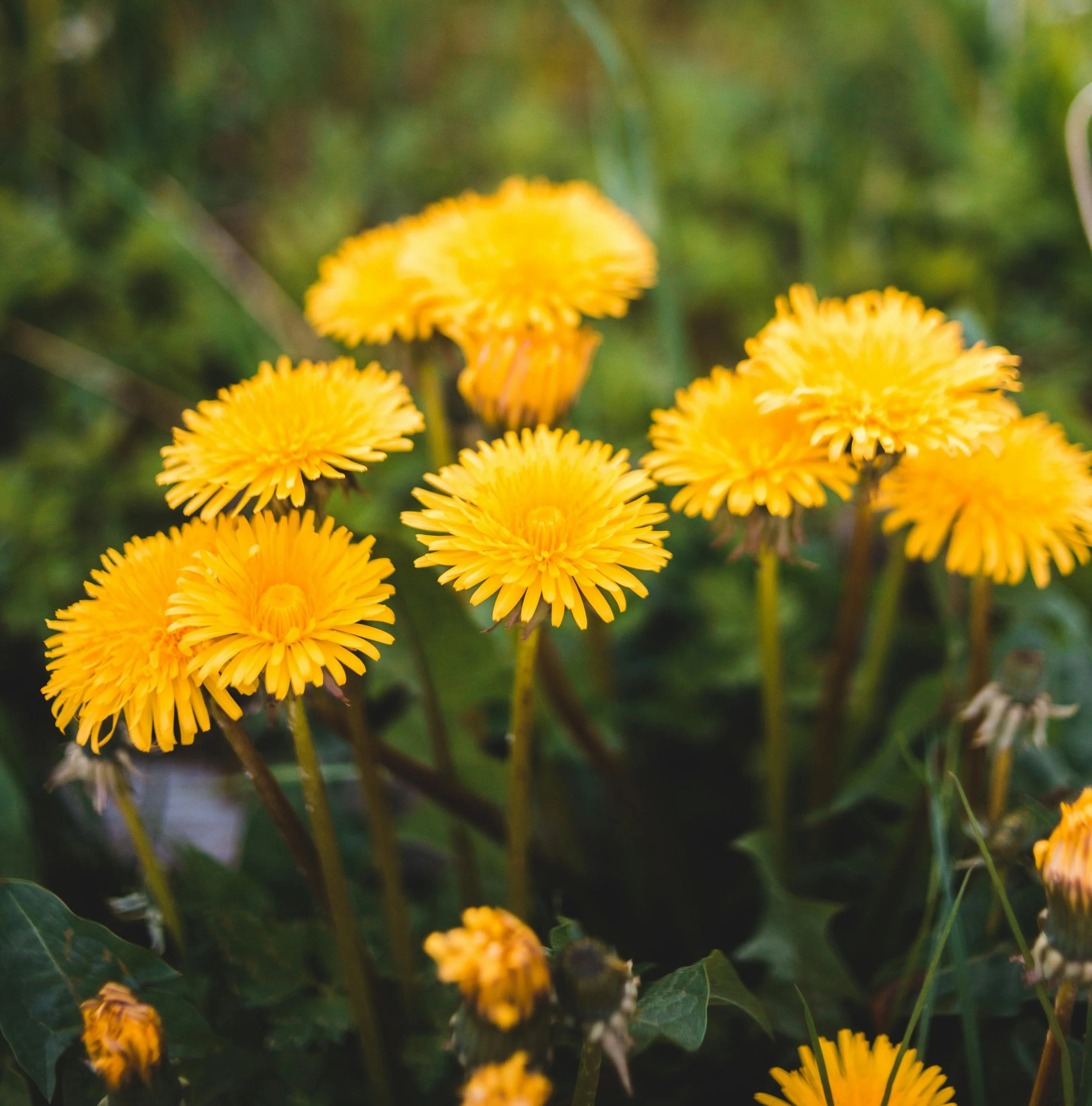
Since getaways are often about unwinding, renewal, and letting go of what doesn't serve, Dandelion is one of Nectar Yoga's favourite herbs as the plant is both physiologically and symbolically associated with these themes. Image via Pexels.
What is the Symbolic Meaning of a Dandelion?
Dandelions offer rich symbolism across many folk traditions. Some key symbolic and spiritual meanings:
Persistence, Resilience and Survival: Dandelions symbolize the strength to overcome challenges despite of the odds. Like the Hydra in Greek and Roman mythology, who sprouted two new heads for every one that was cut off, the dandelion roots clone when divided; a one-inch bit of dandelion root can grow a whole new plant.
Hope and Wishes: The blowing of faceclocks (or dandelions in a seed globe state) are often associated with the activity of blowing them away, and the seeds in the wind signifying dreams and wishes sent out to manifest one’s desires.
Healing: A multi-purpose holistic and herbal remedy, dandelions have come to be a symbol of relief.
When to Harvest Dandelions
Harvesting dandelion from your garden or foraged from the wild ensures it is fresh for your salads, sautées, tea or coffee substitute.Ensure your dandelion harvest is free of herbicides and pesticides, and always wash the plants thoroughly. While all parts of the plant are edible, each should be harvested at specific times for optimal flavor. Here’s how to get the best leaves, roots, and flowers from your dandelions.
Dandelion Flowers: Pick the flowers when they are newly opened, with all petals intact. To keep them fresh, place the stems in a bowl of cool water, away from direct sunlight.
Dandelion Leaves: The youngest leaves are the most flavorful, but mature leaves are still great when sautéed.
Dandelion Roots: Roots can be harvested anytime, but harvesting roots in the autumn are often advised by herbalists as this is when roots are most nutritious.

Dandelion root coffee is one of the most healthful medicinal herbs that can be consumed. Dandy coffee recipe below! Image via Pexels.
How to Make Dandelion Root Coffee
Drinking a coffee substitute made from dandelion root benefits you by providing a nutritious hot drink without caffeine. The following dandy blend recipe is adapted from Wise Woman Herbal Healing Wise by Susun Weed
120 ml roasted dandelion root
6 cups filtered water
pinch of aromatics such as ground cardamom, cinnamon, fennel seed (optional)
Dig dandelion roots in autumn. Cut leaves off a short distance from root crown. Reserve the leaves for another use. Cut roots into 2cm lengths. Dry roots in dehydrator or roast in an oven on low (around 275 F) until crisply dry and toasted, but not burned. When cool, store them in a jar and out of direct sunlight.
When you’re ready to enjoy a cup of coffee, grind about 1 tbsp of the roots.
Brew in a percolator or in a small pot on the stove with about 2 cups of water.
Bring to a boil, then simmer for 5-10 minutes.
Pour coffee into cups through a fine mesh strainer.
Add nut mylk or cream and/or sweetener if desired.
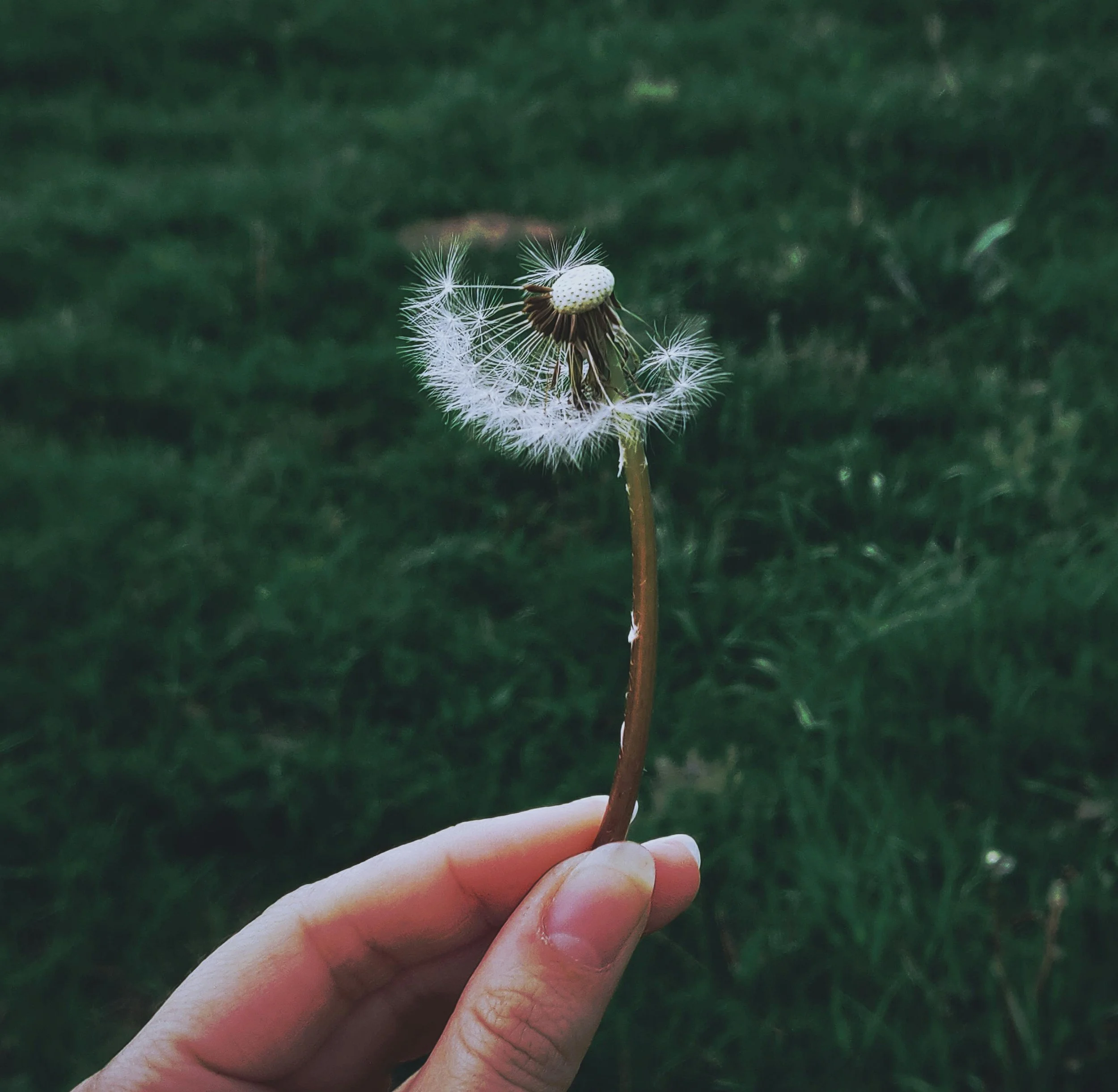
Dandelion is a symbol of wishes and manifesting. Image via Pexels.
Ways to Further Connect With Dandelion and its Energetics
If you’ve enjoyed learning about dandelion energetically and spiritually, you may be interested in attending a retreat on Nectar grounds, where we host visiting yoga instructors and spiritual teachers who offer yoga and meditation retreats and holistic workshops that touch on the wisdom of plants and more.
For those who enjoy the dandelion root coffee recipe, check out A Taste of Nectar, our plant-based cookbook, filled with easy and delectable dishes and baked goods that are often enjoyed by our retreat attendees and 2-night stay Nectar Experience guests.
And if you’re simply looking to experience the same benefits of parasympathetic nervous system rest and digest, as what dandelion can offer through its digestive properties, Mist Thermal Sanctuary, located next door provides premium, private wood fire sauna and cold plunge experiences complete with a personal herbal bar and vanity. Immerse yourself in the healing elements of heat and cool…

As part of a blog series, Nectar Retreat explored various plants to enhance the bond between people and the Earth. If you’re new to Nectar’s Blog, we’re glad you’re here and encourage you to explore our recent articles on Mosses and Pines. If you’re particularly interested in niyamas within yoga, take a look at our related post here.
Additional Works Cited
https://www.mofga.org/resources/weeds/ten-things-you-might-not-know-about-dandelions/
https://www.gardenia.net/guide/dandelion-surprising-facts-you-didnt-know
https://hort.extension.wisc.edu/articles/dandelion-taraxacum-officinale/
https://www.cbc.ca/wildcanadianyear/m_blog/dandelion-time-has-arrived-in-banff-national-park
Weed, Susun S. (1989) Wise Woman Herbal Healing Wise. Woodstock, NY: Ash Tree Publishing. Pp 129-162.
Kallas, John (2010) Edible Wild Plants: Wild Foods From Dirt to Plate. Gibbs Smith; Illustrated edition
Disclaimer: This article is for informational purposes only and does not replace medical guidance. Please consult a doctor before beginning any new wellness practice, particularly if you are pregnant, or if you have health, physical, or mental health considerations.