yoga retreat

An Overview Of The Raja Yoga System: Meditation Techniques and the Eight Limbs

An Overview Of The Raja Yoga System: Meditation Techniques and the Eight Limbs

Traditionally, Raja yoga refers to the objective of yoga as well as the method of attaining it. Through this, it is also considered to be the state of peace and contentment that comes from a sustained yoga + meditation practice. It also encompasses teachings from all the different paths, and it is from Raja yoga that Hatha yoga and modern Asana practice has developed.

Considering that Raja yoga involves all three dimensions of human existence (physical, mental + spiritual), it empowers practitioners to find harmony on each of these levels.

The 7 Chakras: A Complete Guide to Balancing Each

In the darker seasons we find ourselves moving through, many of us have adopted a Yin-style pace in sync with the natural elements around us.

The time to study and absorb is now, all things from knowledge to energy, from skill to instinct, now is the time to take stock and take everything in.

In this blog we are delving into the origins of the Chakra system, what it is, how many Chakras there are, the benefits to being open + balanced, and how to release any blocks you might find using movement and food.

The Sanskrit word “chakra” in English translates to “wheel” or disk and refers to the energy centers within your body. Each of these wheels of energy correlate with different parts of the body, including specific organs and nerve bundles. 

The chakra system originates in India, sometime between 1500 to 500 BC in Yoga’s sacred texts, called the Vedas. More of the Chakra System and its’ origins are also found in several of the Upanishads, specifically: the Shri Jabala Darshana Upanishad, the Yoga-Shikka Upanishad, the Cudamini Upanishad, and the Shandilya Upanishad.

Written in the 2nd Century and one of the oldest yoga texts, is Pantajali’s Yoga Sutras, which describes the details + depths of the 8 limbs of yoga; a system of guidelines on how to live mindfully and with purpose. We are going to delve into the limbs of Asana + Pranayama in particular, which offer practices to balance your chakras.

When a chakra is unbalanced or blocked, you may experience both physical and emotional symptoms relating to that particular energy center. You may also find difficulty in expressing the particular qualities associated with that chakra if its’ energy isn’t open and flowing.

According to the yogic system, everyone has seven chakras, running from the crown of the head, along the spine all the way to the base. Below you’ll find a breakdown of each energy center and how to keep it balanced through movement and dietary nourishment, including special recipes curated by Tiffany of Parsnips + Pastries

Practice These Poses with Nectar At Home

Every sequence below pairs with a class in Nectar At Home's Wellness Membership, so if a pose name here is unfamiliar, you don't have to guess at the shape of it from a word alone. The membership's on-demand library walks you through yoga asanas and supportive breathwork practices at whatever pace your own practice needs. Join the Wellness Membership and turn this list into something you can actually move through, or if you prefer, sample Nectar At Home’s free yoga online courses first.

How Do You Balance the Root Chakra?

Root Chakra | Muladhara | Red 

what are chakras

Hands-on assist | Balasana | Photo Credit @folkfotos

GUIDED PRANAYAMA VIDEO HERE

Found at the base of the spine, this chakra is responsible for your sense of safely. The word Muladhara breaks down into two Sanskrit words: Mula translating to “root” and Adhara, which means “base” or “support.” 

Physically this chakra is linked to the tailbone, sciatica nerve, large intestine, adrenal glands, legs, and bottoms of the feet. The formative years of our lives largely affect the health of the root chakra.

A balanced Root Chakra is the equivalent of creating a sturdy foundation to build a house upon, offering peace of mind that you’re safe. Ensuring that your basic needs in life are being met, such as shelter, food, water, security + stability (both physically and emotionally) will aid in keeping your Muladhara Chakra open and functioning at its highest potential.

Cold exposure is its own grounding practice. The Mist Thermal Circuit’s cold plunge works on the same principle this chakra governs, bringing you fully into your body and the present moment.

 Yoga Asana To Aid In Balancing Muladhara:  

  • Pavanamuktasana; knee to chest pose

  • Janu Sirsasana; head to knee pose

  • Malasana; squat pose

  • Balasana; child’s pose

 ROOT Chakra Balancing Recipes To Try:

 “To balance your first chakra, think red. Red apples, beets, tomatoes, pomegranates, strawberries, and raspberries. Also add root vegetables to your diet. Root vegetables grow beneath the ground, absorbing a high amount of vitamins and nutrients from the soil and are rich in folate, vitamin C, antioxidants, and beta-carotene. The healthiest root vegetables include sweet potatoes, carrots, turnips, beets, garlic, parsnips, onions, rutabaga, ginger, and turmeric. Also include protein-rich foods such as eggs, beans, nuts, and lean meats, in addition to spices such as paprika, cayenne, and horseradish.” - Tiffany via Parsnips + Pastries

Which Crystals Are Good For ROOT Chakra Balancing?

  • Jasper

  • Onyx

  • Bloodstone

  • Garnet

  • Obsidian 


How Do You Balance the Sacra Chakra?

Sacral Chakra | Svadhishthana | Orange

chakras definition

Photo Credit @ofearthandsoul

GUIDED PRANAYAMA VIDEO HERE

Located just below your naval, the Svadhishthana Chakra governs an individual’s creativity, sexual expression, joy and pleasures. Translated to English, “Svadhishthana” means “where your being is established.”

Physically this chakra is found near the perineum and influences the functions of your reproductive organs, the kidneys, and bladder.

When this chakra is overstimulated you may feel some strong emotional highs and lows. When blocked, feelings of detachment from your surroundings and community often take over - leaving you feeling anxious and lonely. 

A balanced and open Sacral Chakra improves your emotional health, strengthens your intuition and can increase your creative expressions. Fear is the primary emotion that can block the Svadhishthana energy center, so finding resources to manage your expectations and emotions in unknown situations can be a powerful tool in keeping this chakra open. 

 Yoga Asana To Aid In Balancing Svadhishthana

  • Utkata Konasana; goddess pose

  • Paschimottanasana; seated forward bend

  • Viparita Virabhadrasana; reverse warrior pose

  • Supta Baddha Konasana; reclined bound ankle pose

 Recipes That Balance the Sacral Chakra

“Balance your Sacral Chakra with all things orange. Think carrots, mango, oranges, orange peppers, peaches, apricots, and sweet potatoes. Foods rich in Omega-3s, such as salmon, also work well to balance this chakra. Nuts and seeds such as flax, almonds, walnuts, and sesame provide additional fatty Omega-3s, which aid in cardiovascular health and reduce inflammation. Also stock up on coconut and spices such as cinnamon. Since this chakra’s element is water, stay hydrated and drink plenty of water, coconut water, or herbal teas.” - Tiffany via Parsnips + Pastries

Which Crystals Are Good For Sacral Chakra Balancing?

  • Orange Calcite

  • Carnelian 

  • Sunstone

  • Peach Adventurine

  • Citrine


How Do You Balance the solar plexus Chakra?

Solar Plexus Chakra | Manipura | Yellow 

relaxation exercises for anxiety

Parvritta Trikonasana | Photo Credit @abbydells

GUIDED PRANAYAMA VIDEO HERE

Sitting between the naval and the breastbone, this chakra is known as the seat of your power. All confidence stems from this energy centre, which when overstimulated, can result in a battle with your own ego. When blocked, you may feel stagnant, short-tempered or even somewhat feeble. 

Directly translated, Manipura means “city of jewels”: “Mani” translating to “jewels” and “Pura” meaning “place” or “city”

Your Manipura Chakra is physically linked to your stomach, gallbladder, intestines, spleen, pancreas and liver - many parts relating to physically being nourished, digesting, removing toxicities and promoting vitality.

Acting as the body’s energetic power-house and associated with the element of fire, Manipura is directly connected to your sense of self. When energy moves freely through this chakra, you feel empowered with a sense of purpose and strong personal identity within the world. 

  Yoga Asana To Aid In Balancing Manipura 

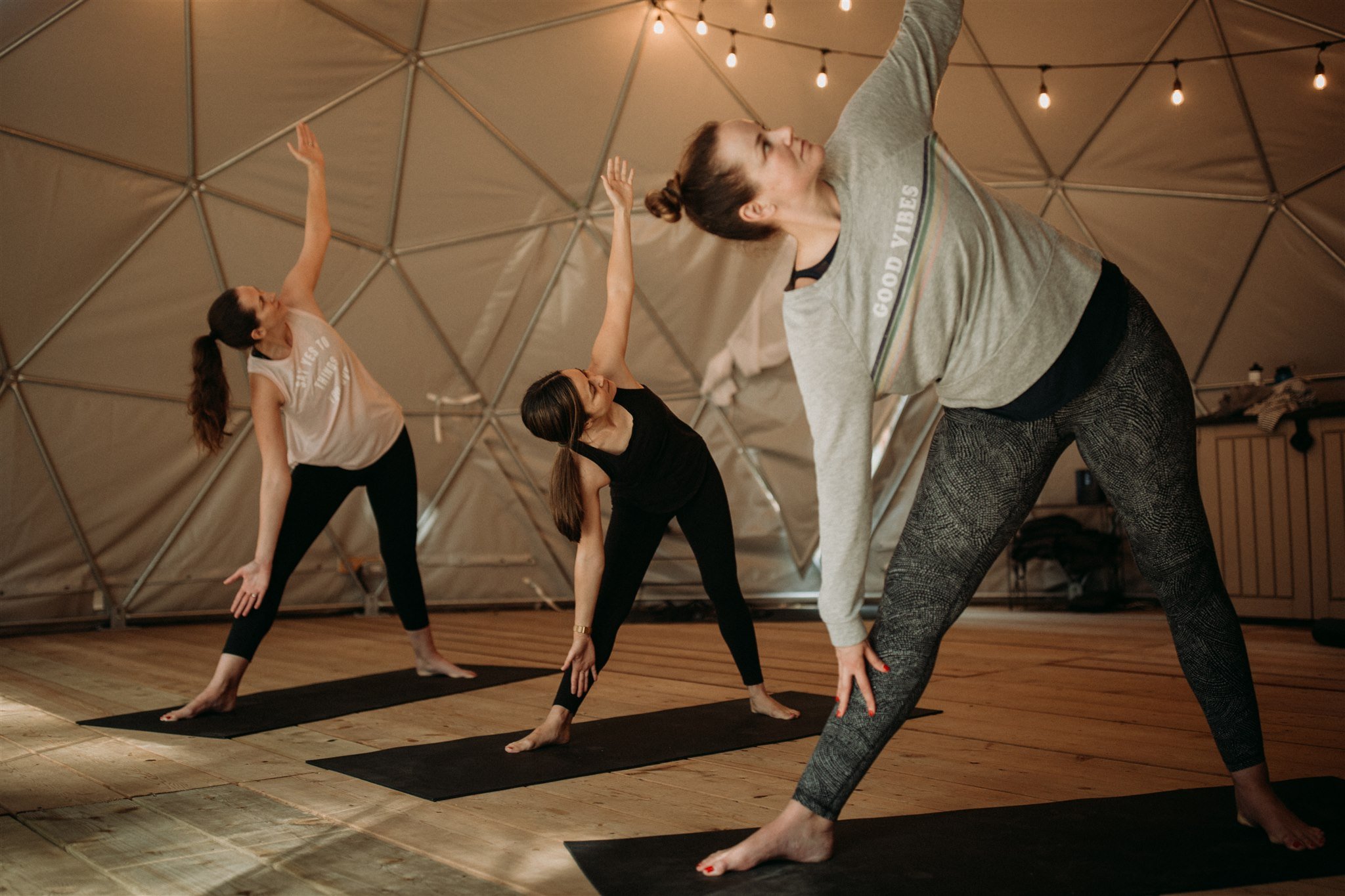
  • Parvritta Trikonasana; revolved triangle pose

  • Dhanurasana; bow pose

  • Bhujangasana; cobra pose

 Recipes That Balance the solar plexus Chakra

 “Like the chakra’s color, think yellow when it comes to balancing your solar plexus. Bananas, pineapple, corn, lemons, and yellow curry are all good choices. (Bonus: Yellow is a natural mood enhancer). Also feed this chakra with complex carbohydrates and whole grains such as oats, brown rice, spelt, rye, farro, beans, vegetables, and sprouted grains. These foods provide crucial fiber and sustainable energy.” - Tiffany via Parsnips + Pastries

Which Crystals Are Good For solar plexus Chakra Balancing?

  • Yellow Topaz

  • Amber

  • Pyrite

  • Lemon Quartz

  • Tiger’s Eye

How Do You Balance the HEART Chakra?

Heart Chakra | Anahata | Green 

wellness meditation

Photo Credit @abbydells

GUIDED PRANAYAMA VIDEO HERE

The Heart Chakra is located in the midpoint of the spine, near your heart. This chakra is the control-center of love, forgiveness, empathy and compassion. The Anahata Chakra being the fourth of seven chakras acts as a bridge between the earth and spirit elements of the body. 

In English “Anahata” means “the unstruck chord,” symbolizing the time before the heart ever experienced hurt. When completely balanced, you’ll experience emotions on a deeper level, with greater perspective, as well as an abundance of consistent happiness, belonging, optimism and gratitude.

When the heart chakra is overstimulated you may find yourself reacting to situations out of jealousy, relying on others for personal fulfillment and seeking unhealthy validation from others. If blocked, you may experience heavy feelings of depression, bitterness or loneliness, which is why it is paramount to keep the Anahata Chakra open and balanced so you’re following your life path with your heart.

Your Anahata Chakra is physically related to the body’s heart and lungs, as well as the circulatory system. It also manages the thymus gland, which controls the immune system. Thus, taking care of your heart chakra generally equates to having a healthier immune system. 

 Yoga Asana To Aid In Balancing Anahata  

  • Camatkarasana wild thing pose

  • Bhujangasana; cobra pose

  • Ustrasana; camel pose

  • Setubandha Sarvangasana; bridge pose

 Recipes That Balance the Heart Chakra

“Balance your Heart Chakra with green, raw foods. Organic greens can help greatly with energy and stress and provide our bodies with whole, balanced nutrients. These foods are essential in balancing the fourth chakra. Drink fresh green juice, make a salad, or start your day with a green smoothie. Leafy and cruciferous vegetables are especially healthy, as we know. Heal and balance your heart chakra with kale, broccoli, spinach, chard, dandelion greens, parsley, celery, cucumber, zucchini, matcha, green tea, avocado, lime, mint, peas, kiwi, peas, spirulina, green apples, etc. ” - Tiffany via Parsnips + Pastries

Which Crystals Are Good For HEART Chakra Balancing?

  • Rose Quartz

  • Jade

  • Green calcite

  • Amazonite

  • Emerald

How Do You Balance the THROAT Chakra?

Throat Chakra | Vishuddha | Blue 

yoga and meditation retreat bc

Halasana | Photo Credit @abbydells

GUIDED PRANAYAMA VIDEO HERE

Adequately named, the Vishuddha Chakra is found at the point of your spine level with your throat. This is the energy center that manages your communication and self-expression. 

Physically the throat chakra is connected to the respiratory system, thyroid gland, and all areas inside the month, including your tongue and teeth. 

When blocked, you may find yourself having trouble speaking your truth and setting healthy boundaries. Your creativity may also be simultaneously blocked. An overactive Throat Chakra may get you into some hot water with those around you, as this tends to lead you to be overly critical of yourself and others. 

Finding balance and opening this energy wheel to spin at a healthy pace will allow you to express yourself without anxiety or overthinking, while your natural creativity juices flow in abundance.

 Yoga Asana To Aid In Balancing Vishuddha  

  • Halasana; plow pose

  • Matsyasana; fish pose

  • Salamba Sarvangasana; shoulderstand 

  • Marjaryasana and Bitilasana; cat + cow poses

Recipes That Balance the THROAT Chakra

 “Balance your fifth chakra with blue foods. Blueberries and blackberries are particularly good sources of fiber, antioxidants, and vitamins. For the throat chakra, think healing and soothing foods and liquids such as coconut water, herbal teas, raw honey, and lemon. Fruit that grows on trees such as apples, pears, and plums are also known to be excellent at healing this chakra. - Tiffany via Parsnips + Pastries

Which Crystals Are Good For THROAT Chakra Balancing?

  • Aquamarine

  • Adventurine

  • Turquoise

  • Lapis lazuli

  • Blue lace agate

How Do You Balance the THIRD EYE Chakra?

Third Eye Chakra | Ajna | Dark Blue or Purple
yoga and meditation retreat near me

Photo Credit @jennapullenphotography

GUIDED PRANAYAMA VIDEO HERE

Sitting right at the brow line, the Ajna Chakra is linked to your perception and awareness, as well as spiritual communication.

On a physical level, the Ajna Chakra governs the skull, the nervous system, the brain, eyes, pituitary and pineal glands. If this chakra is overstimulated or blocked, you may find yourself feeling overwhelmed, having trouble staying level headed or processing information, as well as disoriented. 

When the Third Eye Chakra is balanced your subconscious mind works and connects with clarity, linking you to messages from higher consciousness or other dimensions of consciousness, as well as heightening your intuition. 

 Yoga Asana To Aid In Balancing Ajna:  

  • Baddha Virabhadrasana; humble warrior pose

  • Prasarita Padottanasana; wide-legged forward bend

  • Virabhadrasana 1; warrior 1 pose

  • Catur Svanasana; dolphin pose

Recipes That Balance the THIRD EYE Chakra

 “For this chakra, think [dark hues of blue and] purple. Purple grapes, purple kale, blueberries, purple cabbage, eggplant, and purple carrots. Also include cacao, which is rich in flavonoids and boosts serotonin, which helps to relieve stress and inflammation. These “brain foods” can instantly help clear an overworked mind and help to regain focus.” - Tiffany via Parsnips + Pastries

Which Crystals Are Good For THIRD EYE Chakra Balancing?

  • Sodalite

  • Amethyst

  • Lepidolite

  • Labradorite

  • Azurite

  • Kyanite

How Do You Balance the CROWN Chakra?

Crown Chakra | Sahasrara | Purple or White

bowen island attractions

Vrksasana | Photo Credit @folkfotos

GUIDED PRANAYAMA VIDEO HERE

Located just above the crown of the head, the Sahasrara Chakra translates to “the bridge of the cosmos,” and is the most spiritually-driven of all seven chakras. The Crown, or Sahasrara Chakra, acts as your center for universal consciousness, spirit, enlightenment and link to higher consciousness.

In the physical body it’s linked to the central nervous system as well as the pineal gland. The crown chakra governs the top of the spinal cord, brain stem, nerve endings and pain centers.

When blocked, you may experience varying degrees of dissociation and disconnection from aspects of the world and people around you. 

A balanced Crown Chakra allows for you to tap into all wisdom as you’re exposed to, consciously or not. You may also experience a heightened level of peace or calm while feeling a deeper connection to those around you. 

 Yoga Asana To Aid In Balancing Sahasrara:  

  • Sasangasana; rabbit pose

  • Makarasana; crocodile post

  • Gomukhasana; cow face pose

  • Vrksasana; tree pose

Recipes That Balance the CROWN Chakra

“The Crown Chakra focuses more on fasting and detoxing than it does on food. It focuses more on the spiritual aspect of our bodies, our minds. Detoxing can help our bodies flush out toxins, boost our energy, and clear our mind. Meditation and yoga is an excellent way to strengthen and heal the crown chakra. It can teach us to live mindfully and take some quiet, peaceful time for ourselves amidst our chaotic lives. Meditation herbs or essential oils such as sage, lavender, frankincense, and juniper are wonderful in balancing this chakra.” - Tiffany via Parsnips + Pastries

Which Crystals Are Good For CROWN Chakra Balancing?

  • Moonstone

  • White Howlite

  • Amethyst

  • Clear Quartz

  • Selenite

silent meditation retreat

Amethyst + Tiger’s Eye | Photo Credit @folkfotos

Our chakras are affected by everything we do, consume and expose ourselves to on a daily basis. Putting in effort to maintain them at their best level is a daily practice that will ebb and flow, looking different all throughout your life. 

Being aware of as many resources as you can will only aid you in maintaining an open and balanced chakra system.

Sending gratitude and credit to the writers of Yoga Journal for all their helpful articles, particularly Mara Carrico for her overview shared of the 8 Limbs of Yoga, and Tiffany @parsnipsandpastries for all dietary breakdowns + recipes shared. As well as to the many talented photographers we work with - including Jenna Pullen + Jeanie Ow

And big thanks to you, our community, both for taking the time to explore our new blog and for walking the path to your best self - we hope this resonated and aids you in nourishing your body over the months and years to come. 

Disclaimer: The chakra system is a spiritual and energetic framework, not a medical one. The physical, emotional, and wellness information shared in this post is intended for educational purposes only and does not substitute professional medical or mental health advice. Nectar At Home's Wellness Membership and the Mist Thermal Circuit are wellness offerings, not medical treatments, and are not intended to diagnose, treat, cure, or prevent any condition.

All Photos - Nectar Yoga Copyright

Pines on Bowen Island | Pine Tree Identification & Uses

Pines on Bowen Island | Pine Tree Identification & Uses

Pine trees, belonging to the genus Pinus spp., stand as stalwart guardians in the forest network. These evergreen conifers, characterized by their needle-like leaves and distinctive cones, possess an enduring visual and fragrant allure. Their presence is woven intricately into the fabric of our ecosystem, offering both tangible and intangible gifts to the environment and its inhabitants, including here at Nectar Yoga Retreat on Bowen Island.

Moss on Bowen Island: Types, Ecological Roles, Spiritual and Indigenous Uses

Moss on Bowen Island: Types, Ecological Roles, Spiritual and Indigenous Uses

Mosses’ diminutive size belies their resilience, tenacity, and ecological significance. Mosses are essential for retaining soil and moisture (as much as 40 times their weight), preventing erosion, and providing homes, insulation, and sustenance for various organisms in their ecosystems, including at Nectar Yoga Retreat on Bowen Island.

Nectar Yoga Explores Isvara Pranidhana: Surrendering to the Sacred

Nectar Yoga Explores Isvara Pranidhana: Surrendering to the Sacred

At its core, Isvara Pranidhana calls upon us to release our grip on the illusion of control. The practice urges us to let go of the ceaseless pursuit of ego-driven ambitions and the false belief in our hyper-individuality-based abilities. Here at Nectar Yoga Retreat, sitting with humility as a teacher is a lifelong journey.

Nectar Yoga Explores Saucha: Cultivating Clarity in Ancient Yogic Philosophy

Nectar Yoga Explores Saucha: Cultivating Clarity in Ancient Yogic Philosophy

The practice of Saucha extends to our relationship with the land. It means centering and learning from the Indigenous groups, such as the Coast Salish peoples, and traditional earth-relating cultures. It calls for mindful consumption, reducing waste, and living in harmony with animals, plants, air, waterways, and other elements in Nature. It means a return to living and consuming seasonally. By being conscious of our ecological footprint, we acknowledge that humans are here for a reason, and to not waste this opportunity to steward this Earth. Saucha reinvites us back to circular living.

What Is Sound Healing + How Does It Work

Guest Blog Post by Mia Cara Cosco.

Sound healing has received significant media attention in the last few years alone for its numerous benefits and even celebrity attention.

Sound healing is an ancient art, given the historical significance of instruments going back seemingly as old as the dawn of civilization. History depicts sound healing has been exercised in various forms over time, from chanting to ward off evil spirits to playing music for mental health-related illnesses. Music has been used since to boost morale in military troops, aid people in productivity and so many more situations + cultures around the world.

Health Benefits Of Sound Healing

A trained practitioner is typically trusted to lead a sound healing experience, as it’s not actually as easy as hitting bowls or twirling a chime. Different aspects of music improve physical and emotional health.

Sound healing can also happen by way of moving along to the music in small or large motions. If meditating is something seen as “common”, then this is an act of going beyond simply listening to the music because you are also working to empty your mind of thoughts and resolve any fidgeting (which can be easy to do). Sometimes, sound healing can even be through the act of playing an instrument yourself. From experience, this can be a deeply soothing and contemplative experience that puts you in touch with a flow state.

Sound healing has had some interesting niche findings in the research, such as boosting immune function by lowering stress levels and improving the health of premature babies. Research has also found these general benefits:

  • reducing stress

  • decreasing anxiety

  • improving memory

  • reducing blood pressure

  • lowering cholesterol

  • minimizing pain

  • decreasing risk of heart disease and stroke

Much of these findings also correlate with mindfulness meditation — much of sound healing puts you in a state of inner flow and intentional stillness. Once the habits of fidgeting and intrusive thoughts are put aside to immerse yourself in it, the healing or noticeable effects of meditation or sonic frequencies can be felt potentially quite deeply.

Overall, with health as a primary value, it seems as though we have evidence to shift our focus from the typical model of health to a perhaps more ancient one. Sound healing has rebranded in white-washed western culture, however, the benefits have only become more well-known to science. Music and sound can change our state almost in an instant and this can be incredibly powerful for healing our body and mind.

What Instruments Are Used?

Any and all instruments can be ultimately used to heal, depending on what resonates with you and what sound you prefer, thus there really is no right answer to this. With that said, there are certain instruments designed and typical for sound healing studios that are worth mentioning:

  • hand pan

  • pan flute

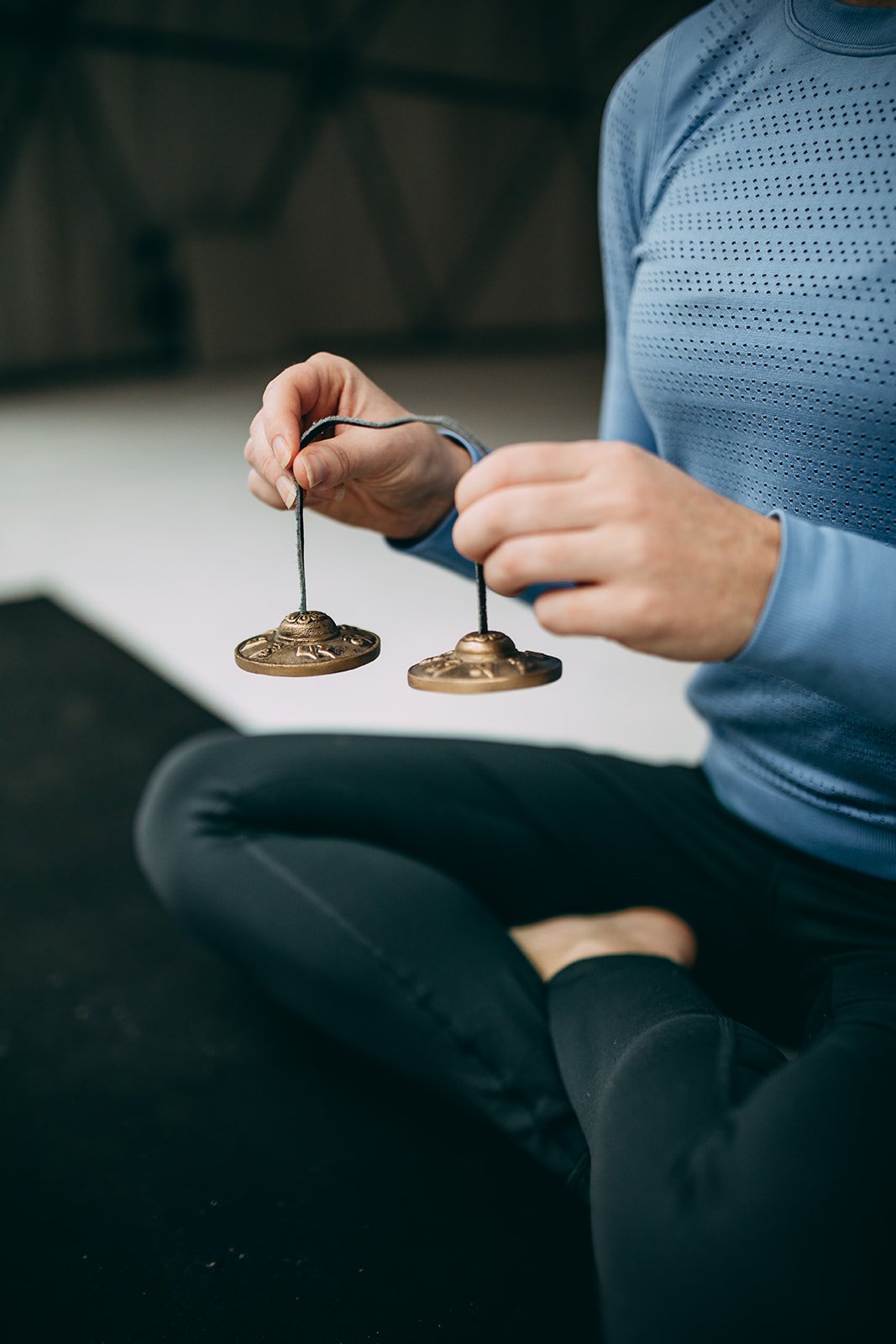
  • chimes

  • harmonium

  • tuning forks

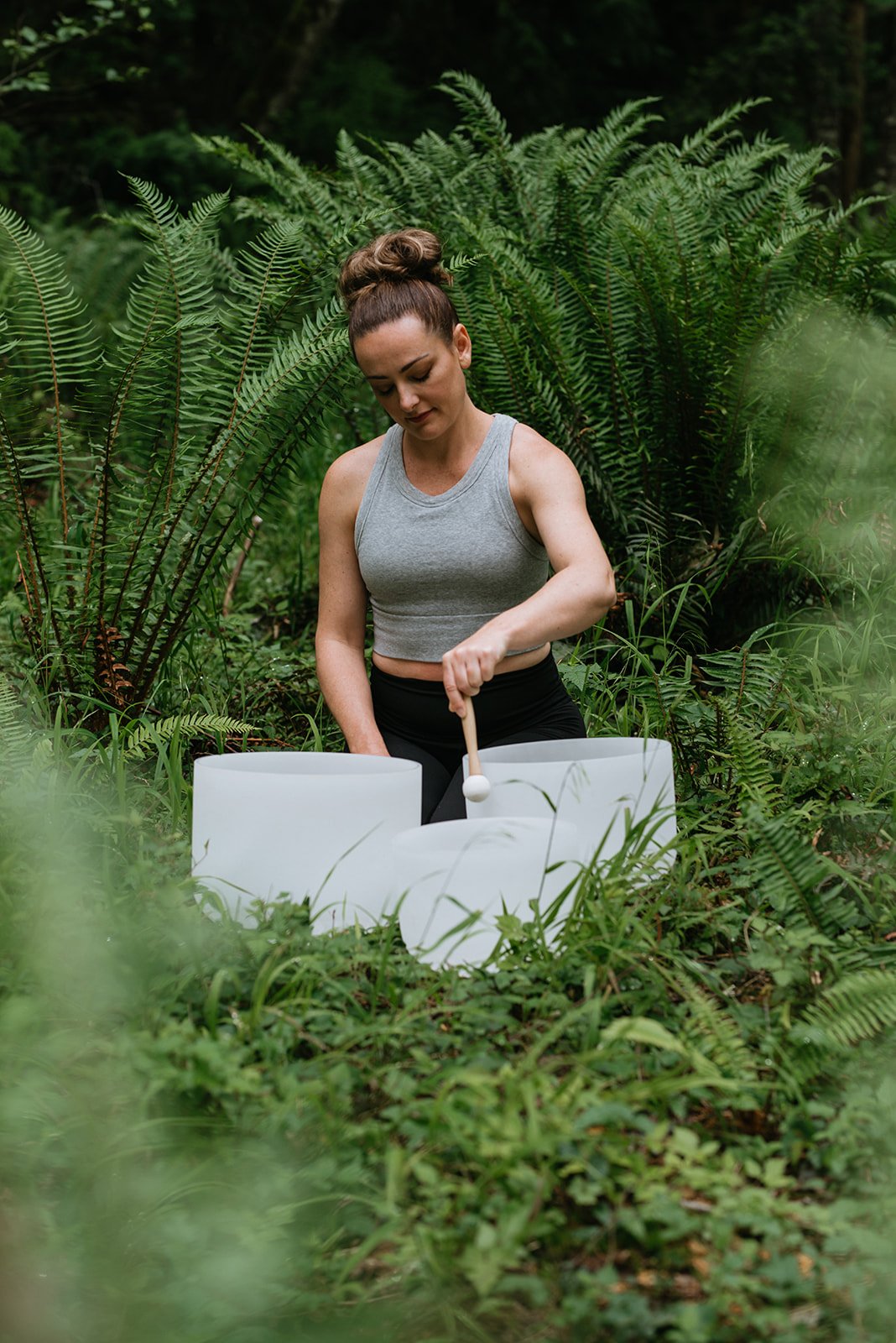
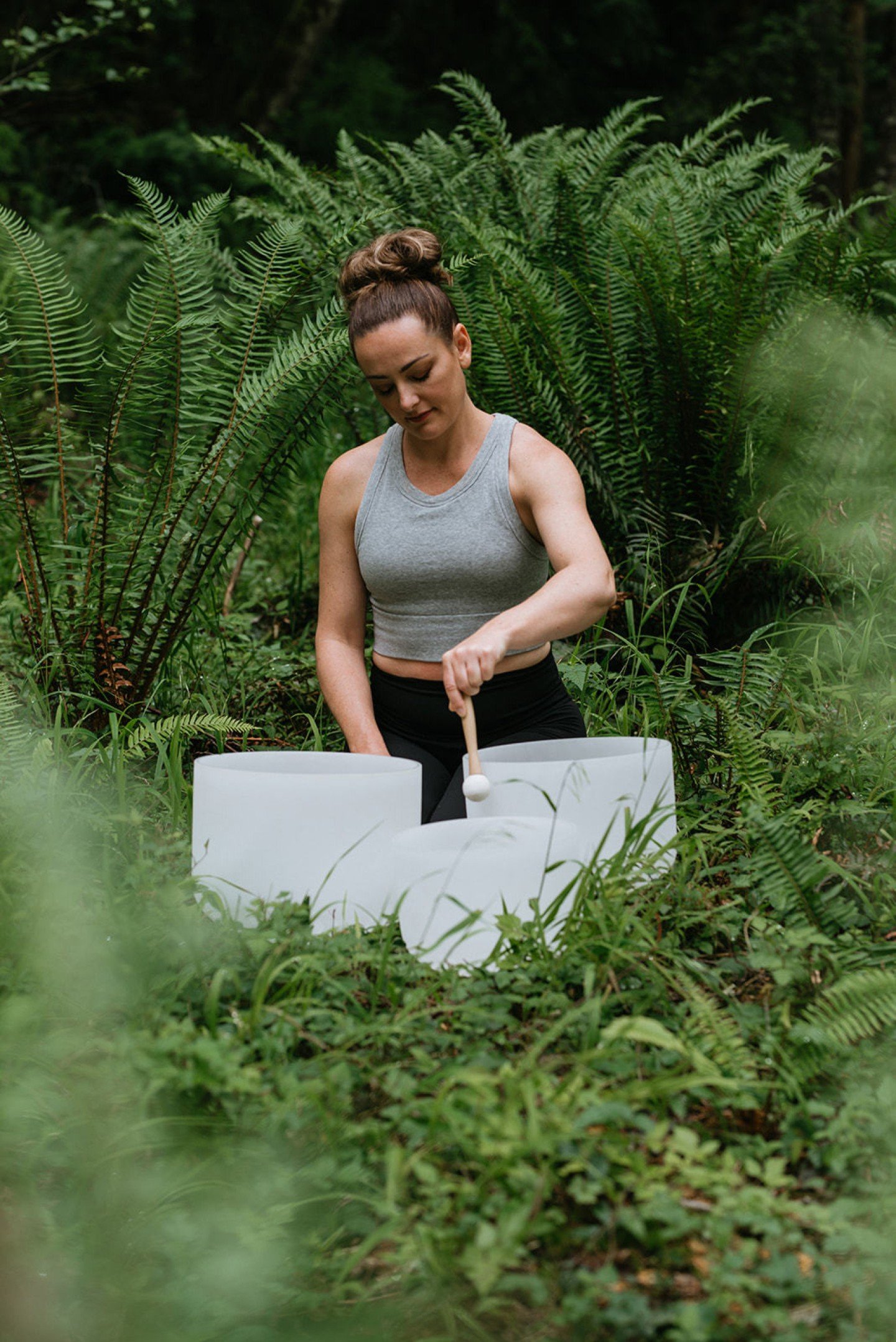
  • singing bowls

  • tongue drum

  • gong

  • harp

It is common for music therapists to use well-known instruments, such as the guitar or piano, for performances as well. More culturally specific instruments, such as the sitar or zither, can also be found depending on where you are in the world.

Your preference in music or what sounds you like to hear often occurs on a subconscious level and may not be something you can rationalize. If you’re interested in finding a sound healing studio or a sound healer to experience the technique first-hand, make sure to ask these questions in the process:

  • Are there specific types of music you like to listen to?

  • Are there music genres you are uncomfortable with?

  • Would you prefer to be moving or meditating while sound healing is happening?

  • Are there instruments you are more interested in hearing?

  • Are there instruments you don’t like the sound of?

 What Sounds Are Right For You?

Let’s get into the specifics of what sound frequencies can be healing—and for what. This is helpful to know about the Solfeggio frequencies, rediscovered by the physician and research Dr. Joseph Puleo in the 1970s:

  • 432 Hz—the standard tuning for ancient musical instruments pre-20th century, deeply calming and soothing which is best for sleep

  • 528 Hz—ability to heal and repair the body even after just 5 minutes due to its stress reduction power in the endocrine system and autonomic nervous system

  • 396 Hz—helps remove subconscious fears, worries and anxiety by eliminating feelings of guilt and subconscious negative beliefs to help you feel uplifted

  • 639 Hz—balances emotions, elevates mood and promotes communication with harmony and understanding into interpersonal relationships

  • 741 Hz—problem-solving, bodily cleansing and self-expression to awaken intuition and promote simple living to live a healthy lifestyle and express creativity

  • 852 Hz—replaces negative thoughts with positive ones and aids in awakening intuition and inner strength for living in harmony with your highest self

Notice How You Feel

There is no use trying to endure an uncomfortable experience when the purpose is to heal. With that said, brief moments of uneasiness are inevitable in any new experience as humans. An instinctual yes or no is essentially relying on our sympathetic and parasympathetic nervous system. These are slower, gradual insights and realizations that come from a steady mindfulness practice overall.


I am supremely grateful to the gracious team at Nectar Yoga for the opportunity to write about one of my favorite loves, sound healing.

Many thanks as well to the sources linked in this piece, rich in knowledge and wisdom on various healing modalities and practices.

If you took something away from this piece or learned anything, tell me below! What did you take away from this or have you experienced the benefits of sound healing first-hand? I would love to see your comment!

All Photos - Nectar Yoga Copyright

Forest Bathing | The Benefits + How To Practice

There’s a reason why the largest cities in the world have parks, trees, + pockets of nature woven throughout their busy streets. Studies have found that spending 10 to 20 minutes a day outdoors can lead to an increase in overall well-being and happiness — and decreased amounts of stress; meaning these bits of nature added to urban life are lending a positive impact on a people’s day to day life.

Aside from spending time in city parks, the more in-depth practice of forest bathing has been proven to have physical + mental health benefits across the board.


The term ‘Forest Bathing’ references a physiological + psychological practice that emerged in Japan in the 1980s. This practice, also known as ‘Shinrin-yoku’, was cultivated to help people achieve two goals; to relieve feelings of burnout while also inspiring residents to connect with, and protect the country’s green spaces. ⁠ ⁠ Forest Bathing is an open-ended practice in the sense that there is no right or wrong way to experience it. It can be as simple as standing in nature and noticing the smells, sounds + sights the area provides you. ⁠ ⁠

The Benefits Of Forest Bathing Include:

  • lower blood pressure⁠

  • reduced levels of cortisol (stress hormones)⁠

  • strengthens immunity ⁠

  • relieves anxiety⁠

  • improves concentration⁠

  • improves short-term memory ⁠

  • energizes the body + mind

  • improves mood ⁠

  • strengthens sleep patterns⁠

While the word “forest” is in the name of this practice, heading to a rural wooded area is not required. You can take a trip to a nearby park, your favorite local trail, the beach, or any natural setting close by. The focus is to move through this practice with intention and mindfulness; meaning being present and fully in the moment. If you can, turn off or silence your phone or other devices that may distract or interrupt your time.

Once you’ve arrived at your chosen spot, take some deep breaths and ground yourself. Let yourself notice all that your senses are taking in — whether it’s the scent of towering trees or the sounds of chirping birds.

Allow yourself to spend a few moments observing your surroundings. You might choose to do this practice in stillness, movement or a combination of both. Sit and watch how the trees sway in the wind or simply walk around. If you decide to walk, go at a leisurely pace and without a specific destination in mind. It is important to let your mind and senses explore + indulge.

Safety tip: Always pay attention to your surroundings, stay on marked trails, + wear appropriate clothing/footwear. Consider things like sun protection or any possible allergies you may have; be respectful of nature around you, and leave no trace other than footprints. When possible, bring a friend or let someone know where you’re going and for how long.

A good rule of thumb is to practice forest bathing for at least 20 minutes every day. If you don’t have that much time to spare, that’s absolutely fine. You can start with a shorter amount of time. The goal of forest bathing is to relax + detach — this practice shouldn’t feel like a chore. The aim is for this to be something you look forward to and enjoy.

No matter how much time you spend outdoors, remember to look for moments that bring you to awe. You can also tie your forest bathing practice to your journaling practice (we have a whole blog post about different journal practices for you HERE).

After each session of forest bathing, use your journal to note your experience or any thoughts you had while immersed in nature. This is a good way to keep track of how the practice is making you feel over time — and help you create an additional ritual that supports your overall heath.

Gratitude to our community near and far, both for taking the time to explore our blog and for walking the path to your best self - we hope this resonated and aids you in finding balance within.

Thanks and credit goes to the resources for this blog provided by the writers and healthcare professionals at Kaiser Permanente

Let us know in the comments where you like to spend time forest bathing or how you feel about it.

All Photos - Nectar Yoga Copyright