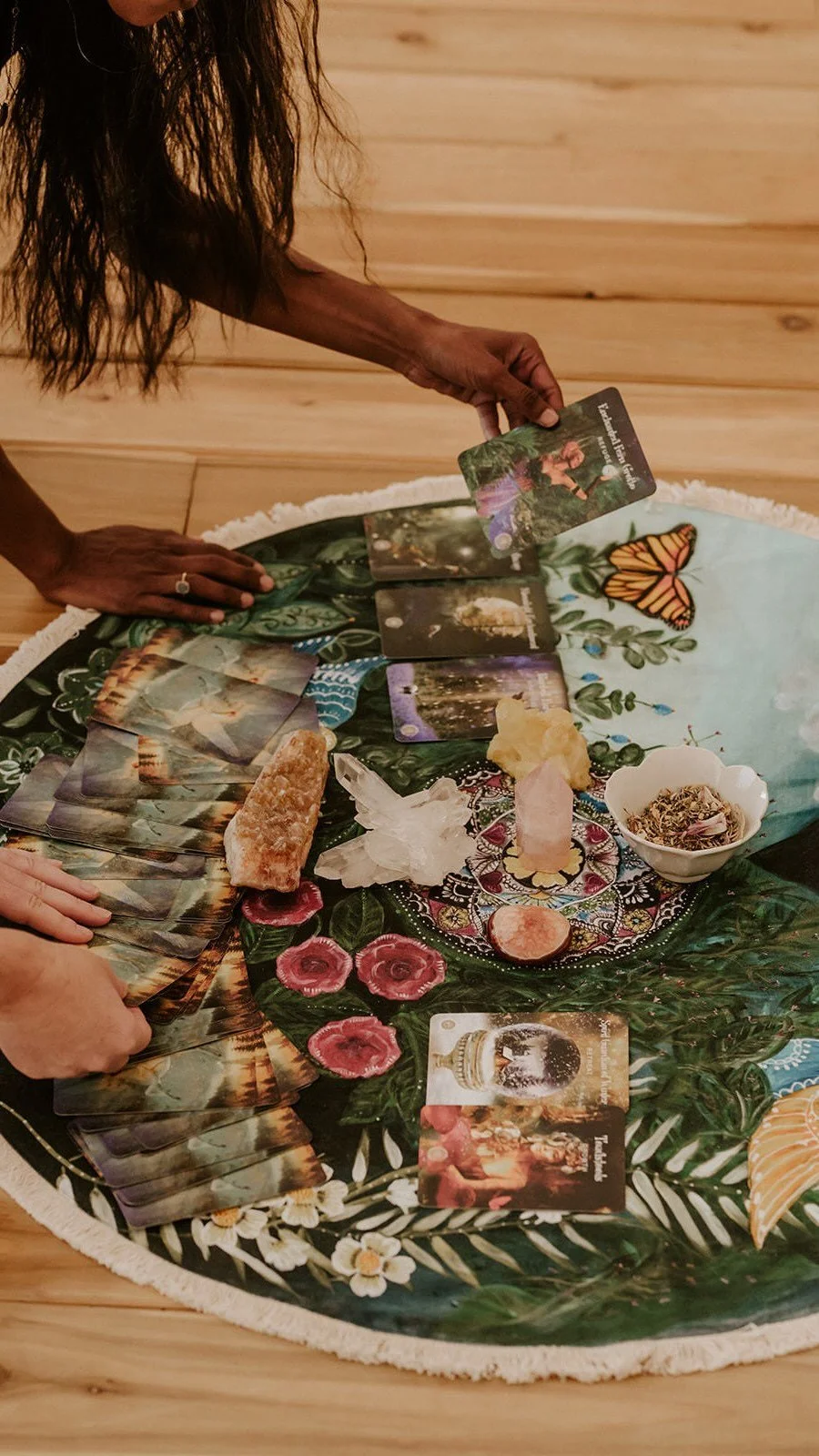
Pitta Dosha is Associated with Fire and Water in Ayurveda

Pitta Dosha is Associated with Fire and Water in Ayurveda

If you are familiar with general Ayurvedic practices and the three doshas (where you may also hear of vata body type, kapha body type, and pitta body type), you already know that the summer corresponds to the Pitta season.

If you want to learn some of the fundamentals of the doshas, we cover that in “The Three Doshas Defined.”

As we retune our inner rhythm to the energies surrounding our own and the seasonal Pitta dosha this season, we explore the principles surrounding the Yama, Satya.

Are you curious about the Raja yoga system and more details about the Yamas and Niyamas? We outline everything in our blog post, “Overview of the Raja Yoga System.”

Nectar Yoga Explores Isvara Pranidhana: Surrendering to the Sacred

Nectar Yoga Explores Isvara Pranidhana: Surrendering to the Sacred

At its core, Isvara Pranidhana calls upon us to release our grip on the illusion of control. The practice urges us to let go of the ceaseless pursuit of ego-driven ambitions and the false belief in our hyper-individuality-based abilities. Here at Nectar Yoga Retreat, sitting with humility as a teacher is a lifelong journey.

Things to Do On Bowen Island: Breathtaking Views of Foxglove Flowers in June

Things to Do On Bowen Island: Breathtaking Views of Foxglove Flowers in June

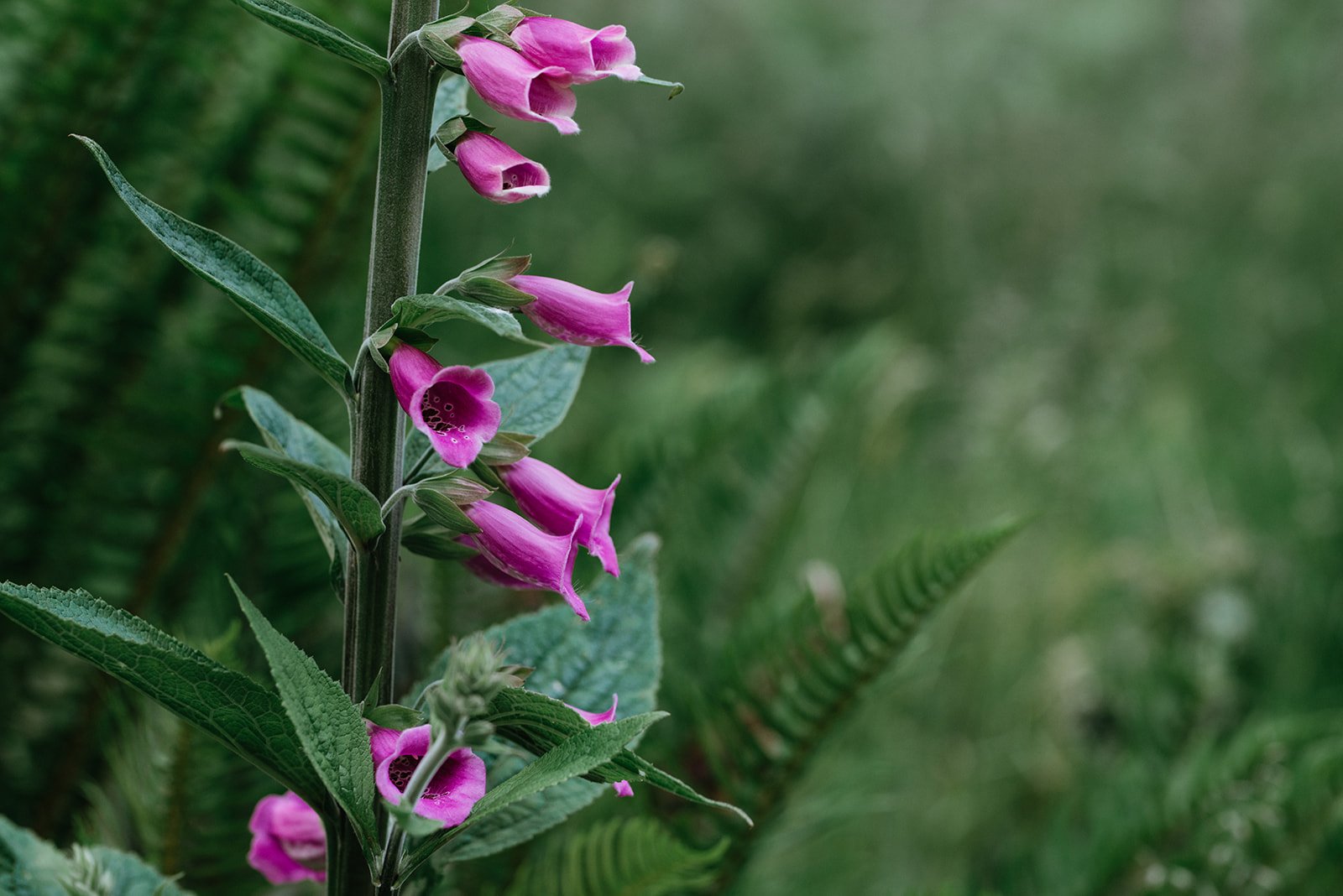
Here on Bowen Island, Foxgloves are typically in bloom starting in late May lasting to late June or early July, displaying their showy, tubular blooms in vibrant hues of purple, pink, white, and yellow that stand out in woodlands and other grassy or forested habitats. 

The Latin name Digitalis purpurea, from which the 'digitalis' chemical derives its name, is utilized in medicine for managing blood pressure and heart conditions. Nonetheless, it's crucial to note that all parts of the Foxglove are toxic if consumed. Despite this, the appeal of the Digitalis genus, which boasts 20 diverse species of Foxgloves, remains undiminished. Perhaps it's their enchanting beauty juxtaposed with their toxic nature that captivates. Since 'digitalis' originates from 'digitus', meaning finger, this could symbolize the plant's allure, as if its delicate blooms (or fingers) are beckoning humans to engage with it spiritually.

How Yarrow Can Help Us Set Healthier Boundaries, Herbal Uses, and How It Got its Name

How Yarrow Can Help Us Set Healthier Boundaries, Herbal Uses, and How It Got its Name

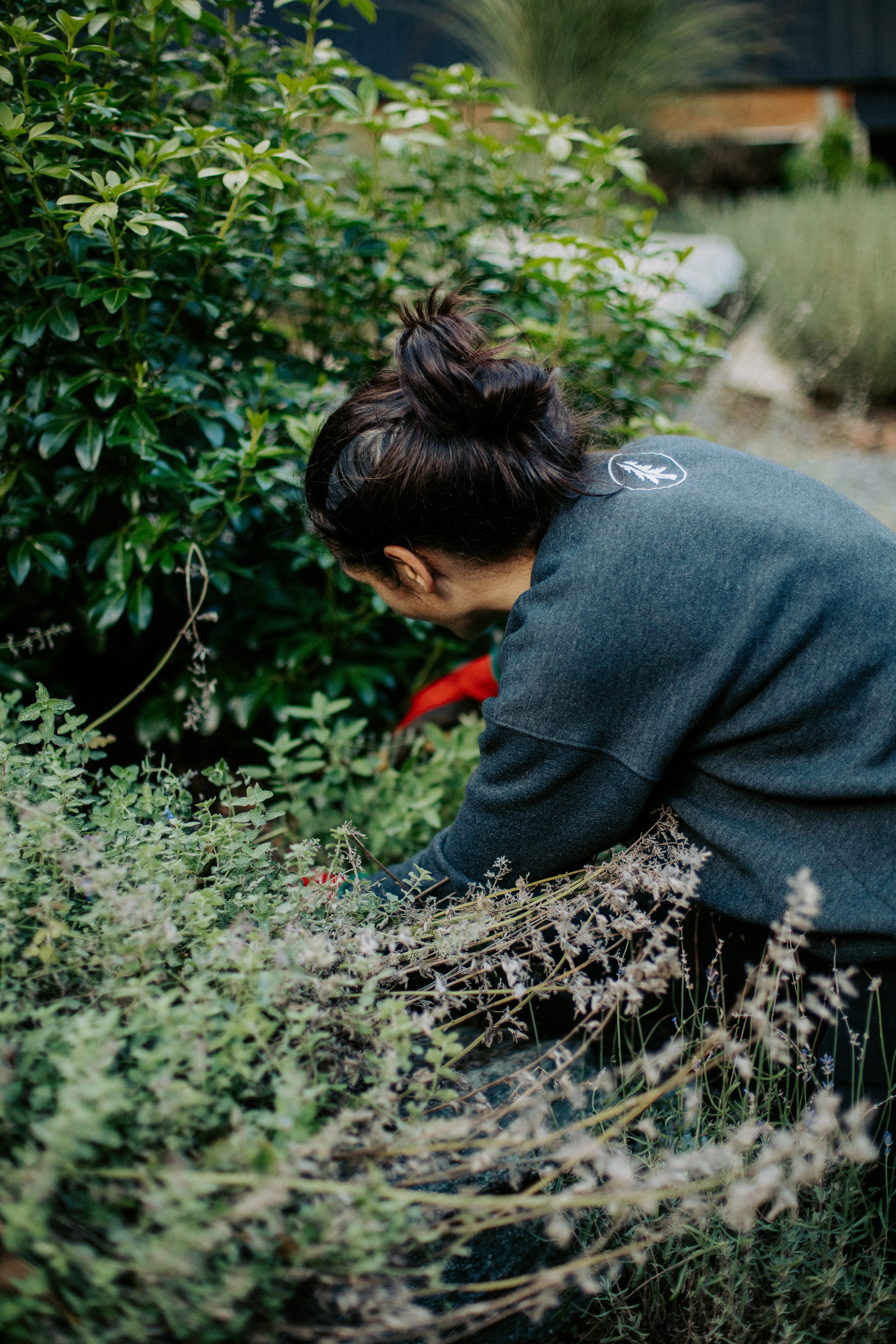
As we steward this beautiful 20 acre Bowen Island forest that we gratefully call home here in the Pacific Northwest, we find that this land, along with its trees, streams, and even what we may commonly call weeds, including Yarrow and Dandelion, captivate and enchant us. Plants possess a distinct vitality, each species resonating with its unique energy. As we synchronize with these local plants, we discover a profound connection to our own inner spirits. We can’t wait to welcome you to your next visit to Nectar.

Nectar Yoga Explores the Yoga Principle of Tapas: Harnessing Fire to Shine

Nectar Yoga Explores the Yoga Principle of Tapas: Harnessing Fire to Shine

The practice of Tapas within yogic tradition encompasses various dimensions of our lives. It includes the discipline of our physical bodies, through practices such as asana (yoga postures), pranayama (breath control), what we expose ourselves energetically to, and healthful lifestyle choices. It extends to the habits of our minds, where we cultivate mindfulness, focus, and the ability to observe our thoughts without being consumed or controlled by them. Tapas is something we cultivate as individuals as well as in community, such as on a creative, corporate, or movement retreat at Nectar Yoga on Bowen Island, BC.

Nectar Yoga Explores Saucha: Cultivating Clarity in Ancient Yogic Philosophy

Nectar Yoga Explores Saucha: Cultivating Clarity in Ancient Yogic Philosophy

The practice of Saucha extends to our relationship with the land. It means centering and learning from the Indigenous groups, such as the Coast Salish peoples, and traditional earth-relating cultures. It calls for mindful consumption, reducing waste, and living in harmony with animals, plants, air, waterways, and other elements in Nature. It means a return to living and consuming seasonally. By being conscious of our ecological footprint, we acknowledge that humans are here for a reason, and to not waste this opportunity to steward this Earth. Saucha reinvites us back to circular living.

Brahmacharya Practices to Adopt this Summer

As we move into the Ayurvedic season of Pitta, it's important to consider how we can stay balanced during the heat of summer and protect our energy. One way to do this is by practicing Brahmacharya, one of the five Yamas of Yoga. Brahmacharya is often translated as celibacy or sexual restraint, but it also encompasses the proper use of energy in all areas of our lives.

In Ayurveda, Brahmacharya is seen as a way to conserve our vital life force, or "prana," which is essential for physical, mental, and spiritual health. By preserving our energy, we can live a more balanced and fulfilling life, free from anxiety, stress, and burnout.

The word "Brahmacharya" is derived from two Sanskrit words: "Brahma," meaning the absolute or divine, and "charya," meaning behaviour or conduct. Therefore, Brahmacharya is often interpreted as the "right use of energy." 

Practicing Brahmacharya involves cultivating self-discipline, self-control, and mindfulness. This includes our relationships, work, hobbies, and daily habits. It involves being mindful of our thoughts, words, and actions and making choices that align with our highest purpose.

During the Ayurveda season of Pitta, practicing Brahmacharya can be particularly beneficial. The season's heat and intensity can lead to agitation, irritability, and burnout if we don't take steps to protect our energy. By practicing Brahmacharya and incorporating daily rituals that help us stay balanced, we can conserve our energy and direct it toward our highest purpose.

One way to practice Brahmacharya during the Pitta season is to incorporate daily rituals that help us stay balanced. Here are a few ideas:

  1. Wake up early: Ayurveda recommends waking up before sunrise to align with the natural rhythms of the universe. This helps us feel more energized and focused throughout the day.

  2. Practice Yoga: Yoga is a great way to move our bodies and calm our minds. During the Pitta season, it's best to practice gentle, cooling poses like forward folds, seated twists, and gentle backbends.

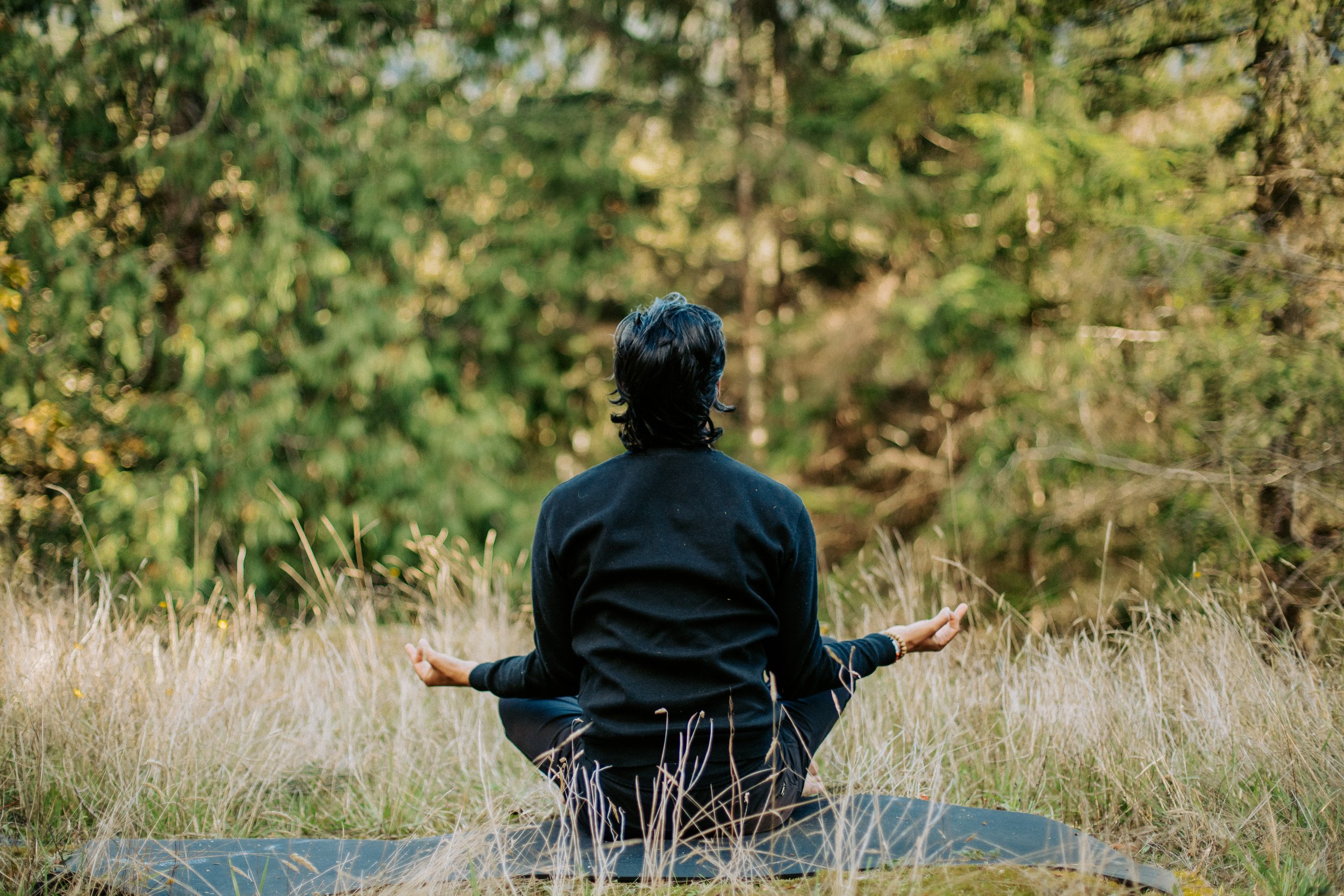
  3. Meditate: Meditation is a powerful tool for conserving energy and calming our minds. You can start with just a few minutes each day and gradually increase the time as you feel more comfortable.

  4. Eat cooling foods: During the Pitta season, it's essential to eat cooling and hydrating foods. This includes fresh fruits and vegetables, coconut water, and herbal teas.

  5. Stay hydrated: Drinking plenty of water and electrolyte-rich drinks like coconut water helps us stay hydrated and cool during the heat of summer.

By incorporating these daily rituals into our lives, we can practice Brahmacharya and protect our energy during the Pitta season. When we conserve our energy and direct it towards our highest purpose, we can live a more balanced and fulfilling life.

Looking for some in-person guidance on where to start incorporating these practices? Book your 2-Night Nectar Yoga Experience package here and spend some time slowing down with us in nature.

Sources Cited:


Acknowledgment and thanks to the contributing writers for the resources of this publication; Segal Shah via The Art of Living, Rolf Sovik via Yoga International and Esther Ekhart of Ekhart Yoga

As always, sending gratitude to our community near and far, both for taking the time to explore our blog and for walking the path to your best self - we hope this resonated and aided you in finding peace and balance within.

If you feel called to share your feelings and practices surrounding the practice of Brahmacharya, please do so in the comments below or send us a message via email.

All Photos - Copyright Nectar Yoga

Spring Cleaning with Intention and Celebration (Around the World)

With the daylight stretching longer and longer each day, the energy surrounding the seasonal shift into Spring has many of us feeling uplifted and motivated by the lengthened daylight hours as well as the buds of growth everywhere in nature. 

Typically this motivates us to take a closer look at what we are keeping in both our physical and mental spaces, and make space to declutter what we no longer need (ultimately making space for new beautiful things to grow).

All around the world, there are various traditions, celebrations and holidays that essentially all mark the season of light, planting anew, and (re)birth. In this thread we outline the unique details of some of the more popular ones, however, encourage you to dig deeper and explore your own lineage or interests relating to traditions around this time of year marking a universal time for planting and growth.

Chinese New Year – China

In the lead-up to the Chinese Lunar New Year, people perform a preparatory cleaning of their space, sweeping away the dust and debris of the past 12 months in a symbolical gesture to make room for good fortune to come. It’s important that the tidying session be wrapped up by the stroke of midnight – any cleaning on New Year’s Day itself is said to sweep away good luck.

Songkran Water Festival – Thailand
The arrival of the spring season marks the new year in Thailand and the Songkran Water Festival is a celebration of rebirth. This tradition originated with people throwing water at each other to be cleansed of misfortune, negativity and to welcome luckier times ahead. However, in more modern times, this celebration has taken the symbolism of water to a new level as elaborate water celebrations drench entire streets for days.

Persian Nowruz - Several Middle Eastern countries

Persian Nowruz, observed in Iran (as well as many other countries, including Afghanistan, Iraq and Kazakhstan), is a New Year’s celebration that’s preceded by spring cleaning. The Iranian calendar is a solar calendar that honours and syncs with the seasons.
Nowruz coincides with the spring equinox in March, fittingly translating as “new day.” To mark this elemental time of renewal, belongings are sifted and sorted through, floors are scrubbed, closets decluttered and re-organized, and items collecting dust that no longer spark joy are rehomed. This sometimes begins weeks before the equinox to ensure enough time is dedicated to this process of shedding the old and welcoming in the new alongside the rhythms of nature.

Holi – Northern India
Holi in India is a country-wide social sanction to have fun, with a lot of vibrant colours that lift mood and a practice that may be originally linked to a time when colourful, natural medicinal plants were used for healing. Participants take to the streets for the “Festival of Colours” where they cover each other in colourful solutions and powders. Holi has a large social significance in the country, and the tradition is also celebrated with special treats.

Spring Equinox in Teotihuacán – Mexico
While the Spring Equinox is celebrated all over the world in different ways, it is much more significant in Mexico. People dress in red scarves and white robes, burn incense, perform ritual dances, and climb to the top of the Pyramid of the Sun, spreading their arms to follow the traditions of their ancestors, there they perform long-upheld rituals, with a belief that they will receive strong energy.

Cooper’s Hill Cheese-Rolling and Wake – Gloucester, England
For over two centuries, Gloucestershire's small English village has been host to this unique annual tradition called Cooper’s Hill Cheese Rolling and Wake. In this event, a round of Gloucester cheese is rolled down the hill, with participants racing down the steep hillside after it. The goal is to go after the cheese and ultimately catch it. Participants often end up tumbling head-over-heels and falling down the slope.

As mentioned, these traditions around the world are separated by practices, culture, and continent, however, they each involve a similar message; welcoming the arrival of the spring season and celebrating all that is to come.

Perhaps let this serve as a reminder how we are all interconnected with each other and the shifts in nature.

Sources Cited:
Acknowledgment, citation and thanks to the contributing resources of this publication, Fani Ntinoudi, Esme Benjamin, and Faith Davis.

Gratitude to our community near and far, both for taking the time to explore our blog and for walking the path to your best self - we hope this resonated and aids you in finding balance within.

Tell us in the comments what rituals you practice as we move towards the yang seasons of light and growth.

All Photos - Copyright Nectar Yoga